October 22 Made it home!

Quick update: Although it’s a hassle to get from there to here – I am here. Airports: Santiago de Compostela, Madrid, Chicago, Kansas City. One thing I noticed (again) about our new airport in KC – lots of walking. Long walks. I think of how many people I know who would find this difficult. Seems like airports with stretches that long usually have a moving sidewalk option. That main corridor is certainly wide enough to accommodate moving sidewalks.

Anyway – Medical update: Saw the doc this morning (Friday, Oct 24) New antibiotics and suggestion for OTC cough medicine. Upper respiratory infection did not progress into something uglier.

Hiho! Buen Camino!

October 21 Santiago de Compostela

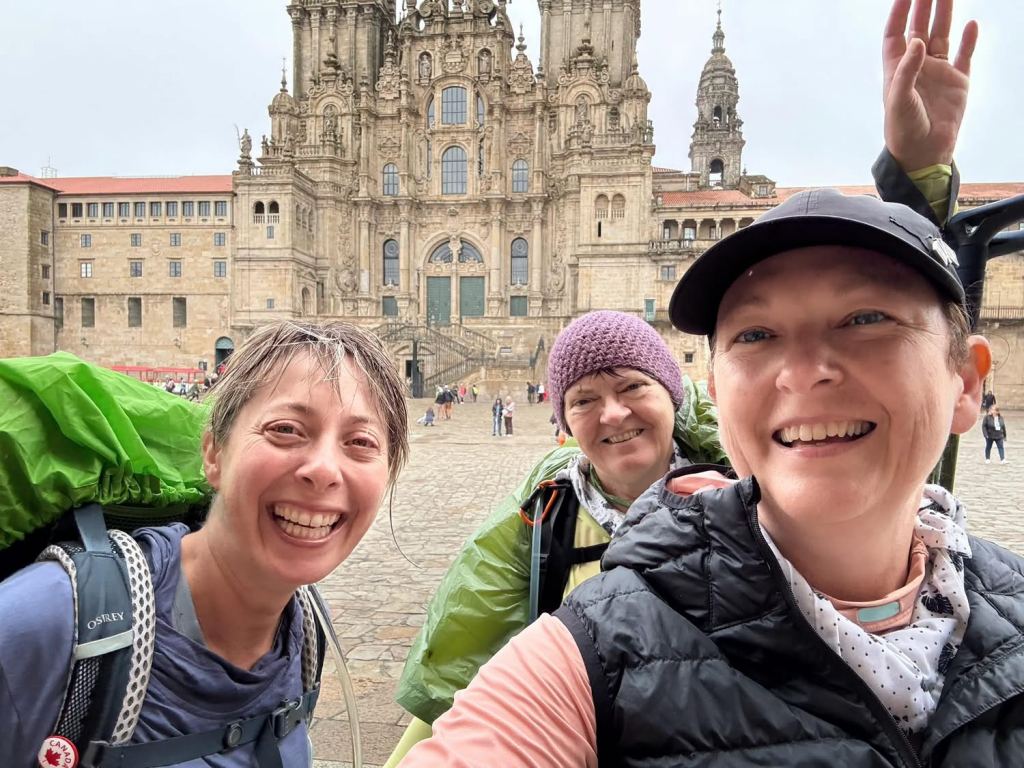
What a day! The very bright side – I ran into the two women from Missouri I’ve been seeing over and over and Jo, the woman from Australia who became a good buddy. And I met and spent time with a retired woman who lives in her van and travels all over!
Otherwise: Lost my Compostela, got to my room and discovered my bag had been delivered to the place I’d cancelled (uphill. Stairs. Uphill). My phone quit charging because the cable was wet. I get lost in a closet, so was hoping Google maps didn’t eat the last 5%. Wasn’t sure how to get a taxi to the airport, but I learned there’s a taxi stand 300 meters away. Get to drag me and my belongings to the stand in the rain at 0630. But, everything is figured out and I’m in my room for the night!
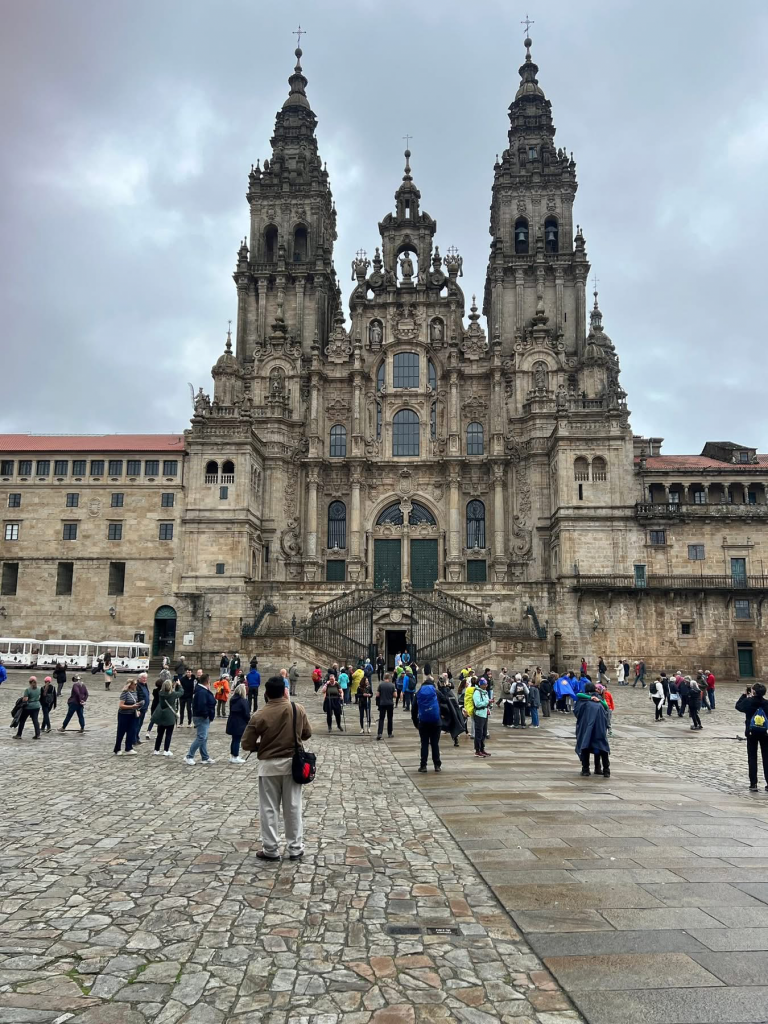
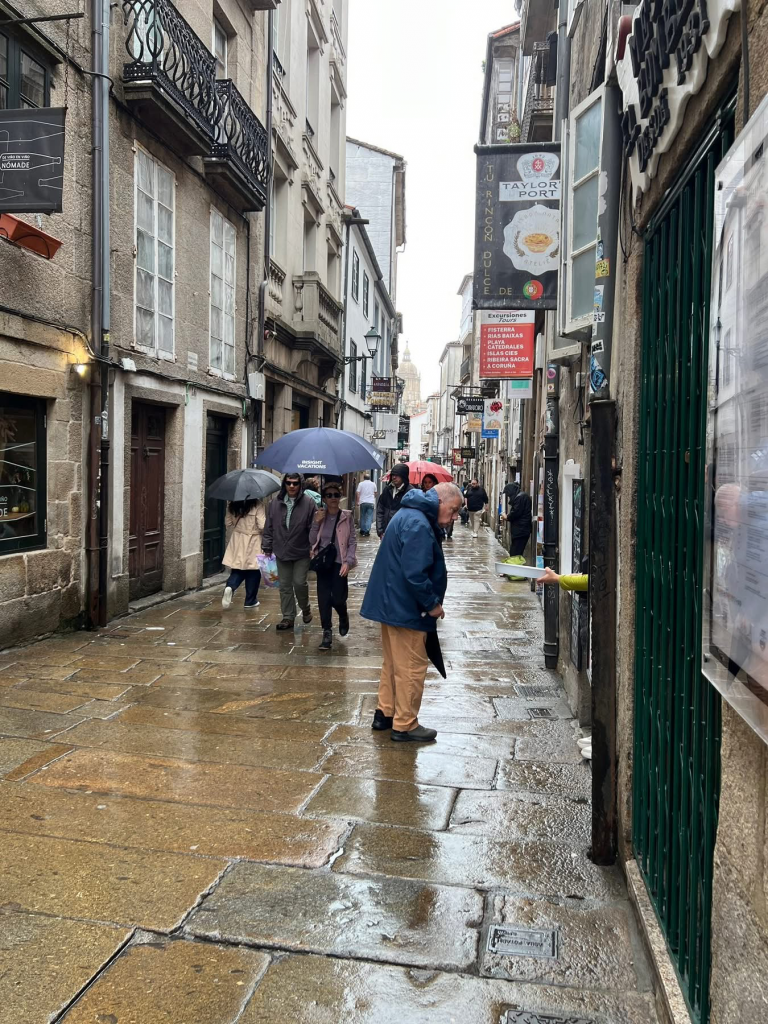
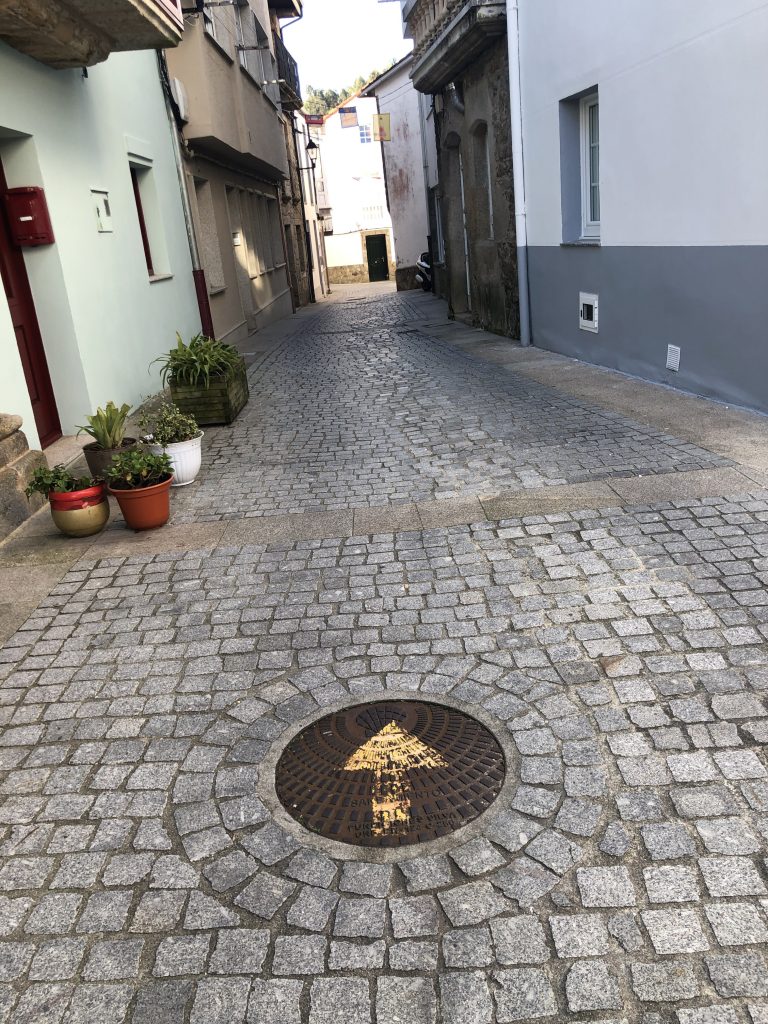
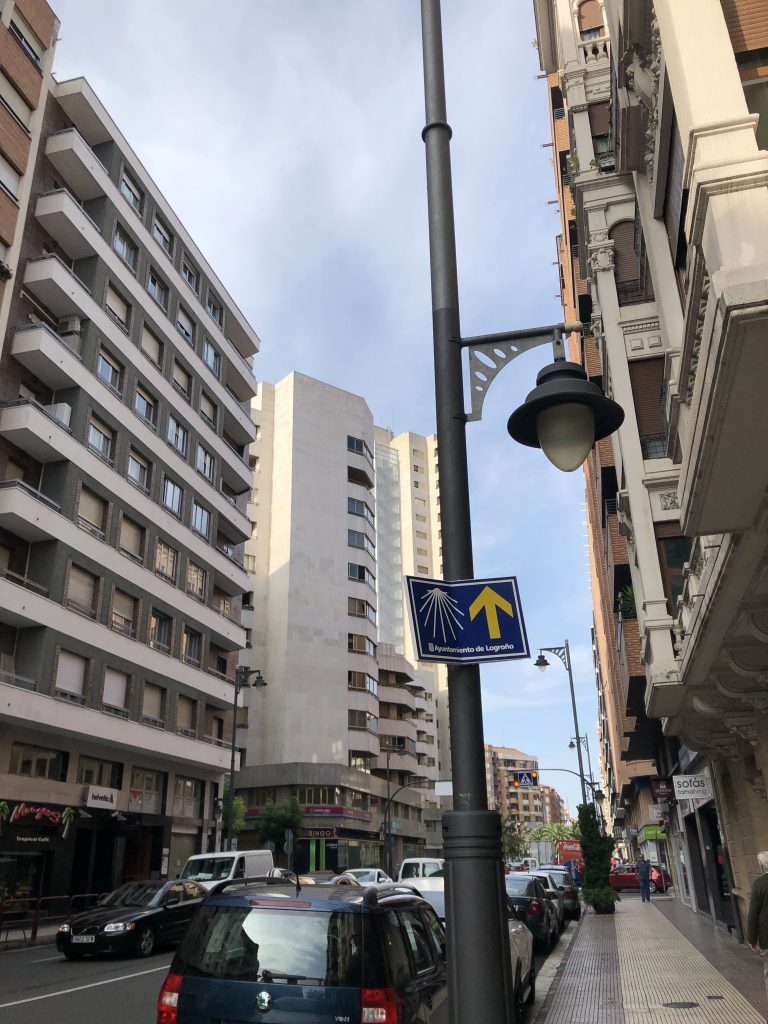
The streets of Santiago
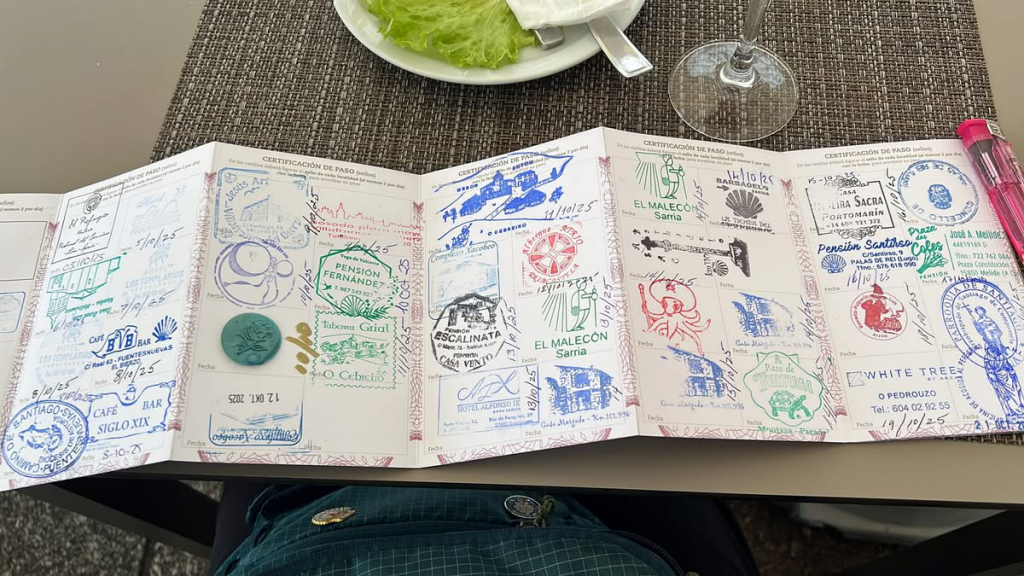
My credential.
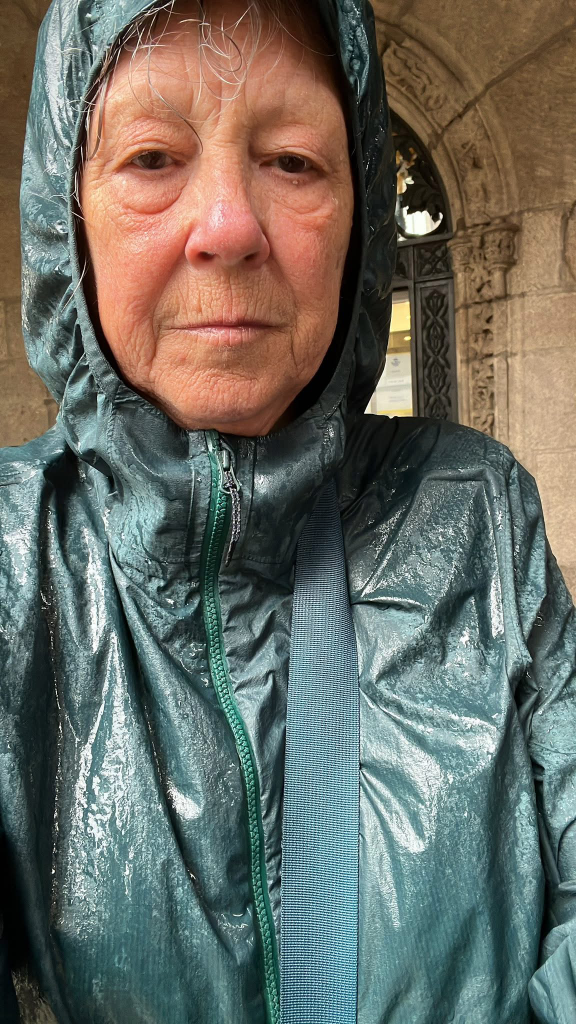
The drowned, grumpy pilgrim

October 20 Lavacolla

Ironically, this where the Santiago airport is. Tomorrow, I arrive in Santiago, and then, Wednesday, I taxi back here to the airport- and home!
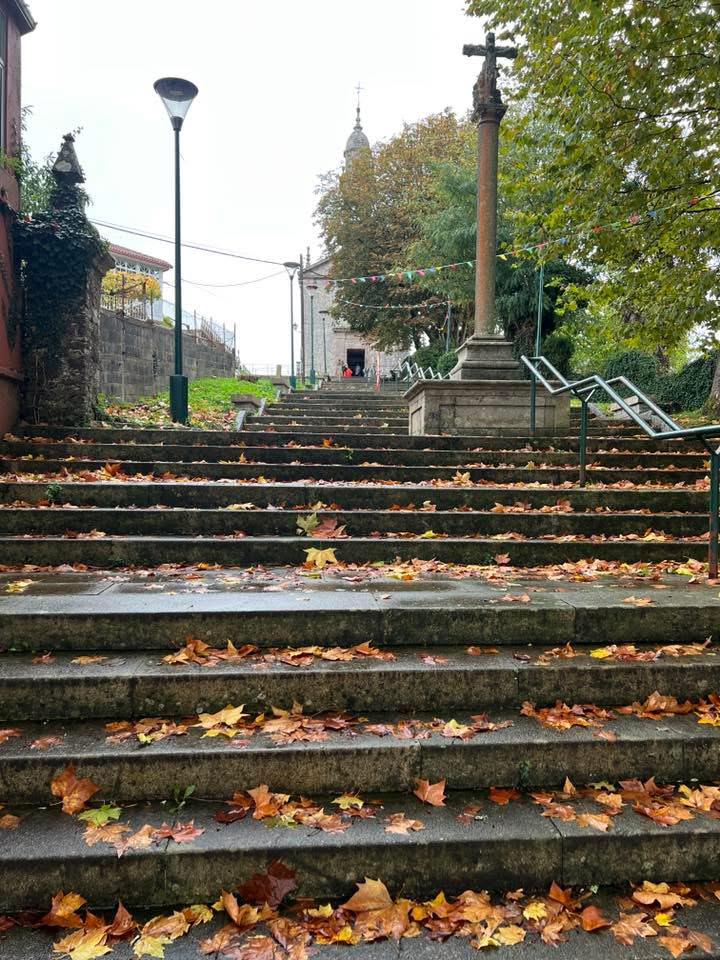
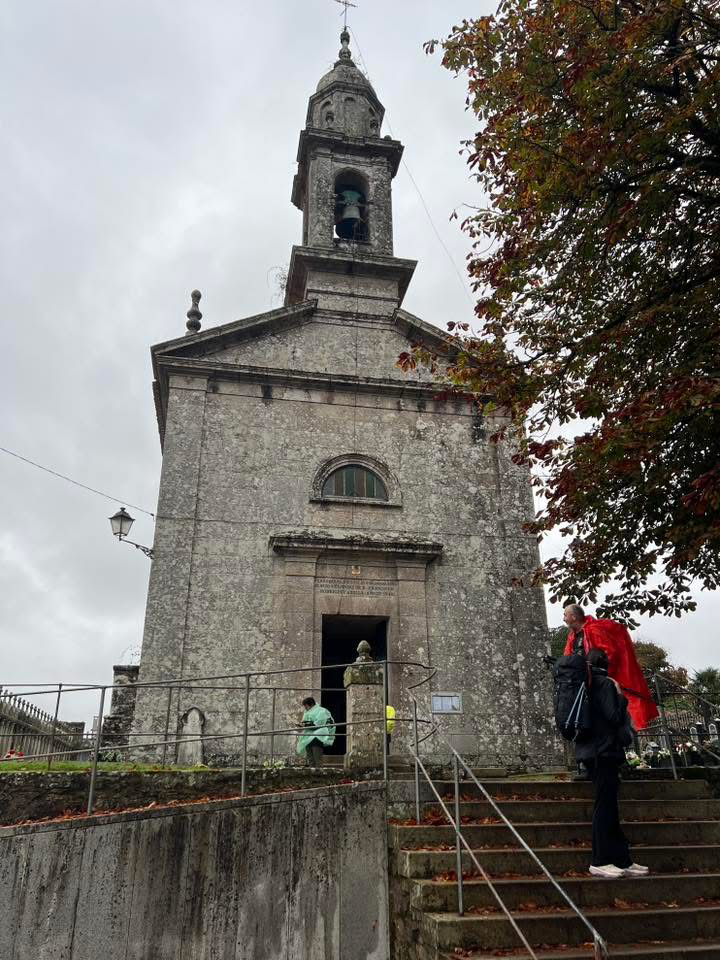
Of course.
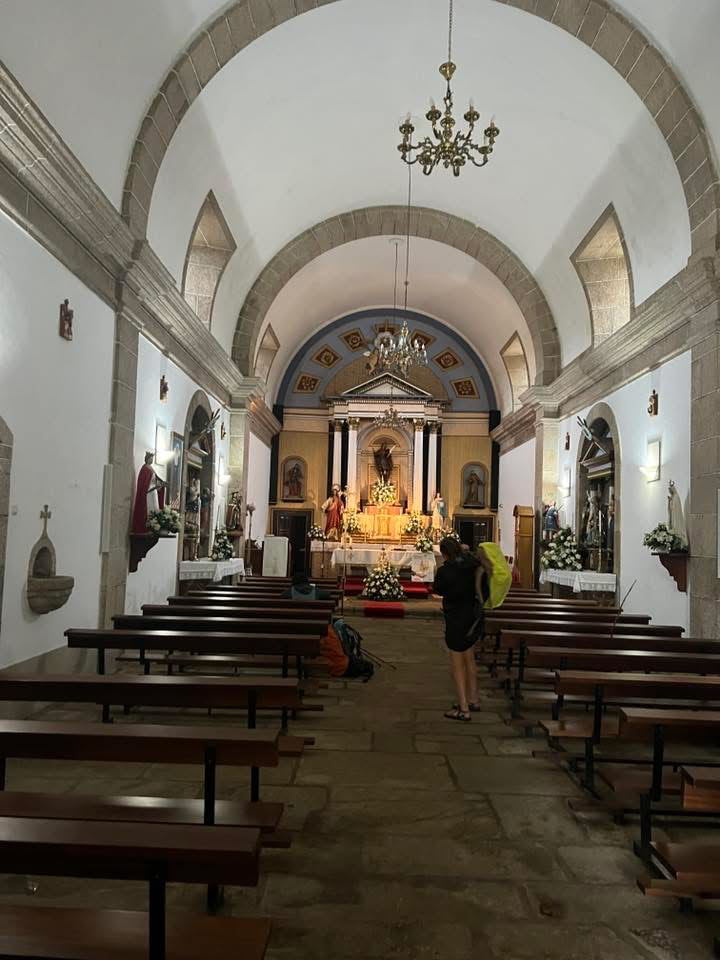
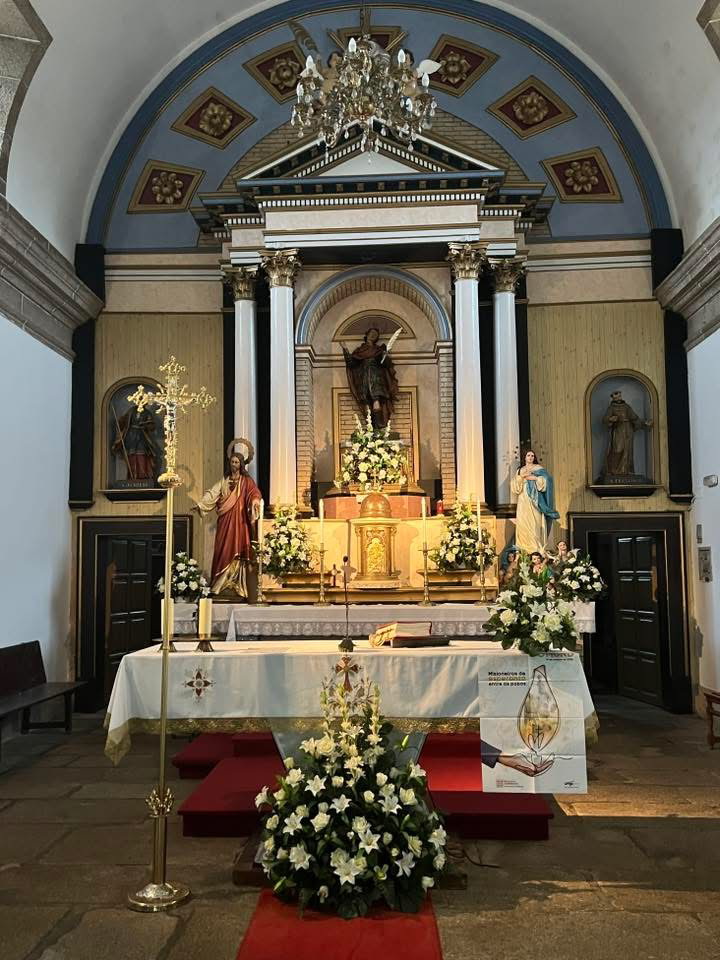
Iglesia de San Paio de Sabugueira from around 1840
Iglesia de San Paio de Sabugueira
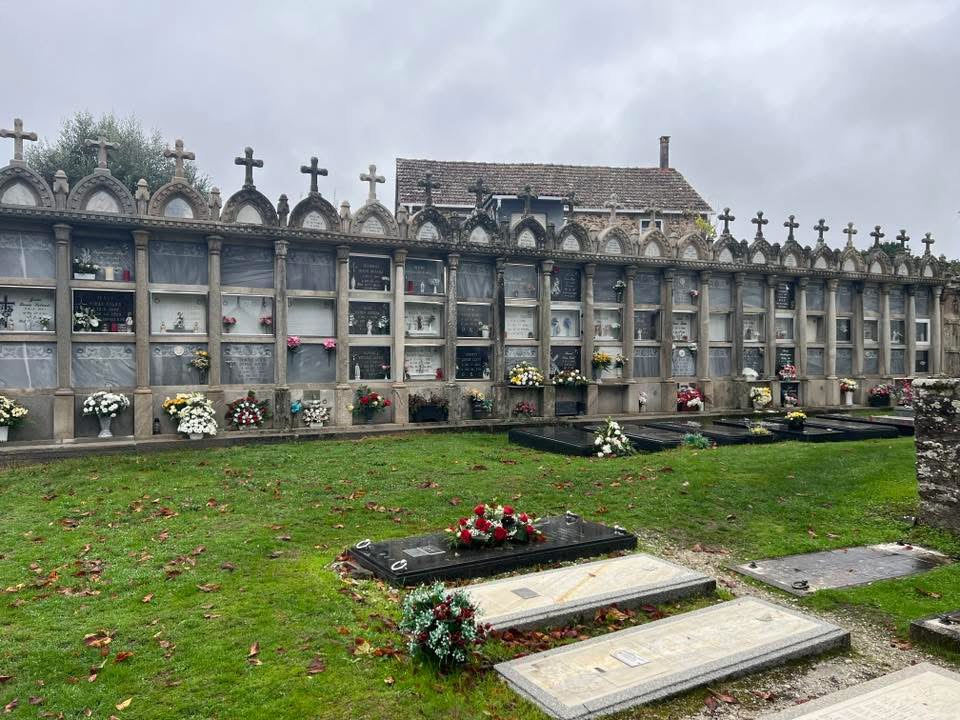
Cemetery at Iglesia de San Paio de Sabugueira
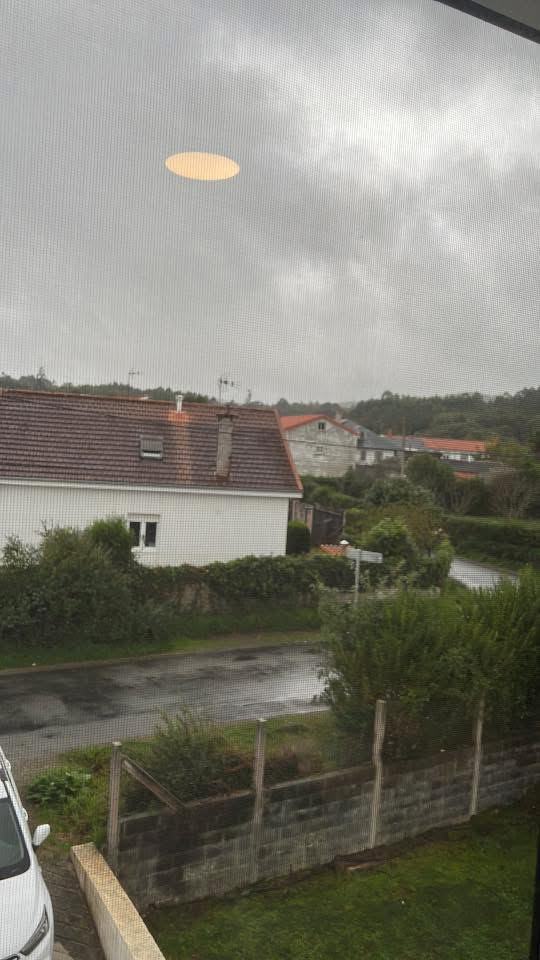
The view from my window.
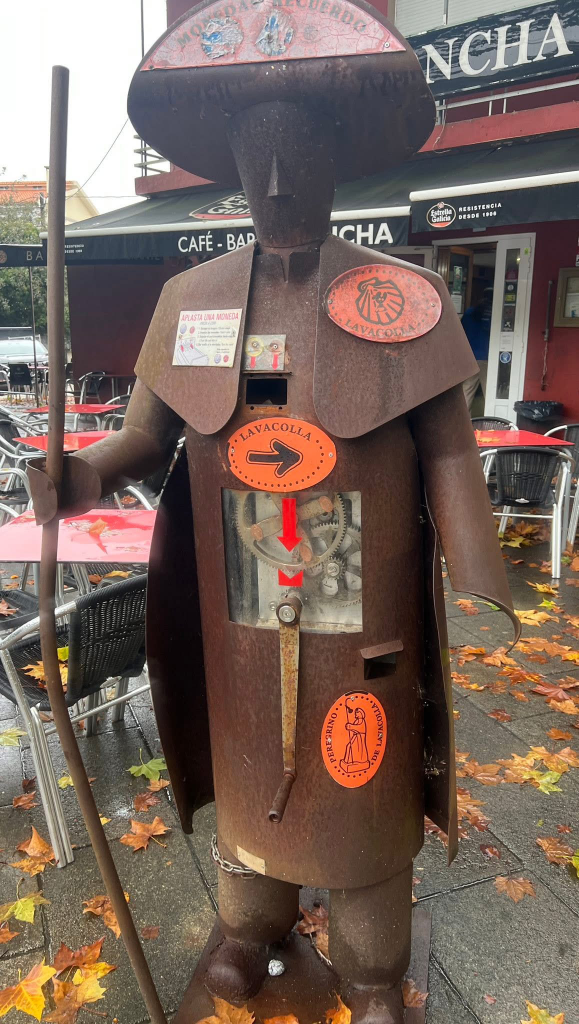
Put your coin in his tummy and turn the crank to get a flat coin. No pennies in Spain, so you can get a flat nickel.
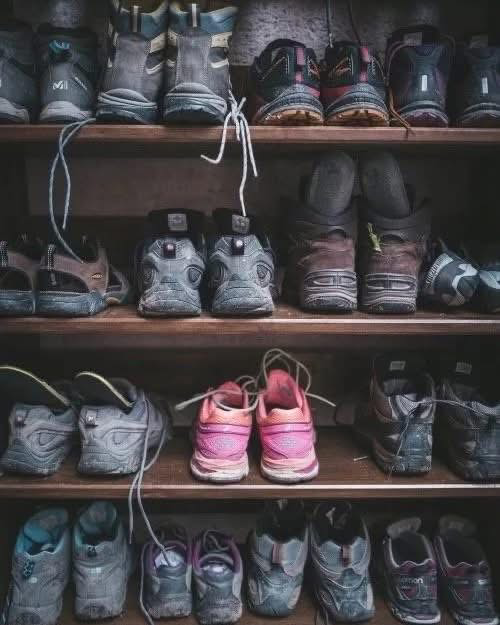
I took this photo from another website, but for those of you reading Facebook group posts about how not many people wear boots – here’s a pretty standard mix of boots, trail runners, hiking shoes, and sandals. Wear what works for you – not what total strangers in Facebook groups tell you to wear.
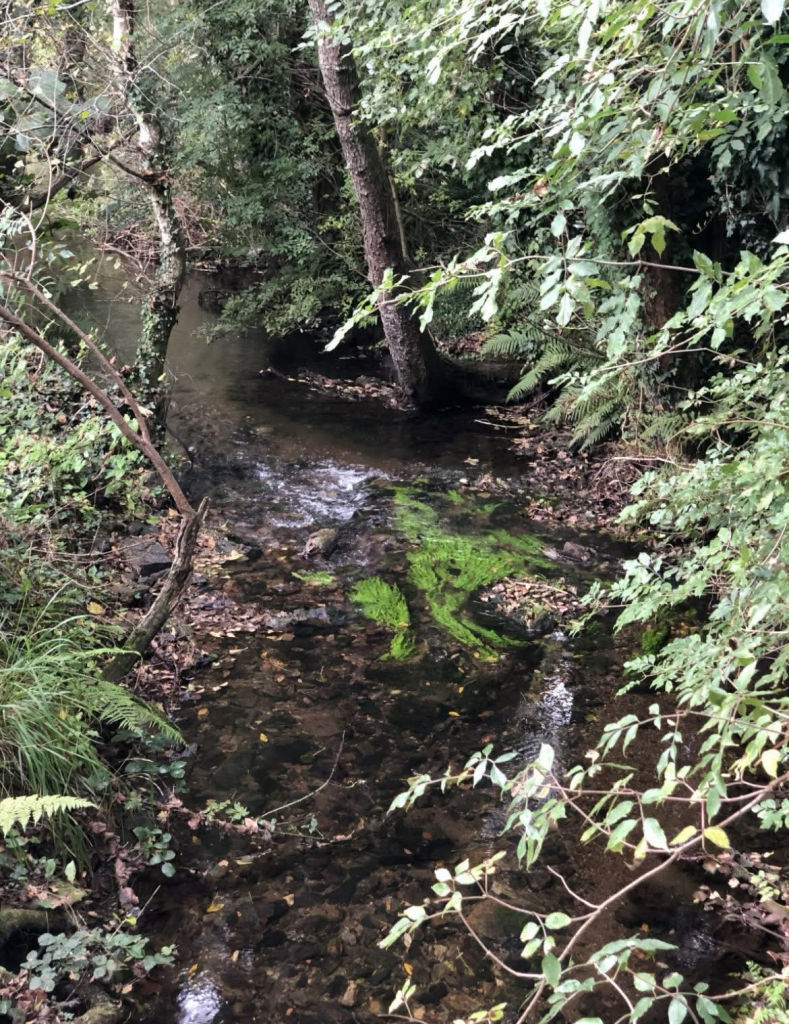
Rio Sionlla In Lavacolla where medieval pilgrims would wash before entering Santiago. This photo is from my 2021 blog. It was raining today, so I didn’t walk over to the river.
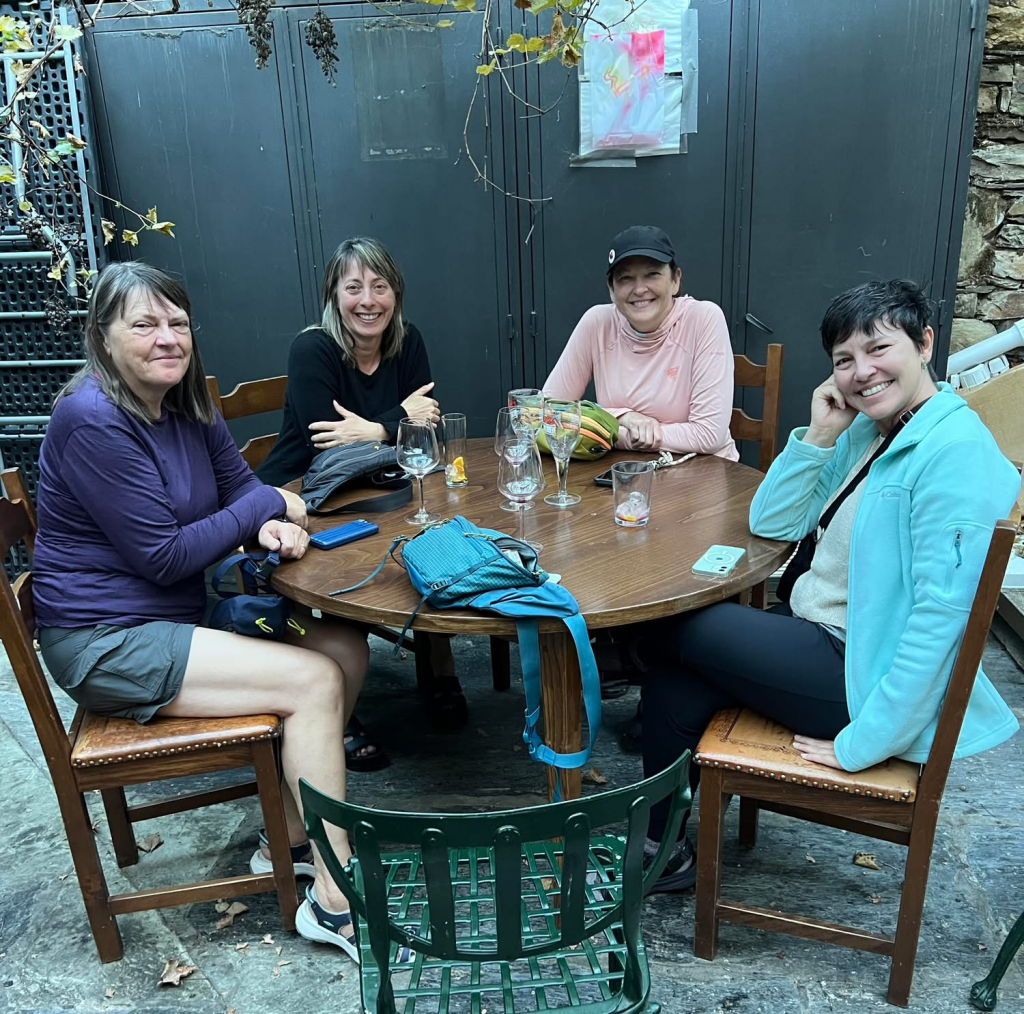
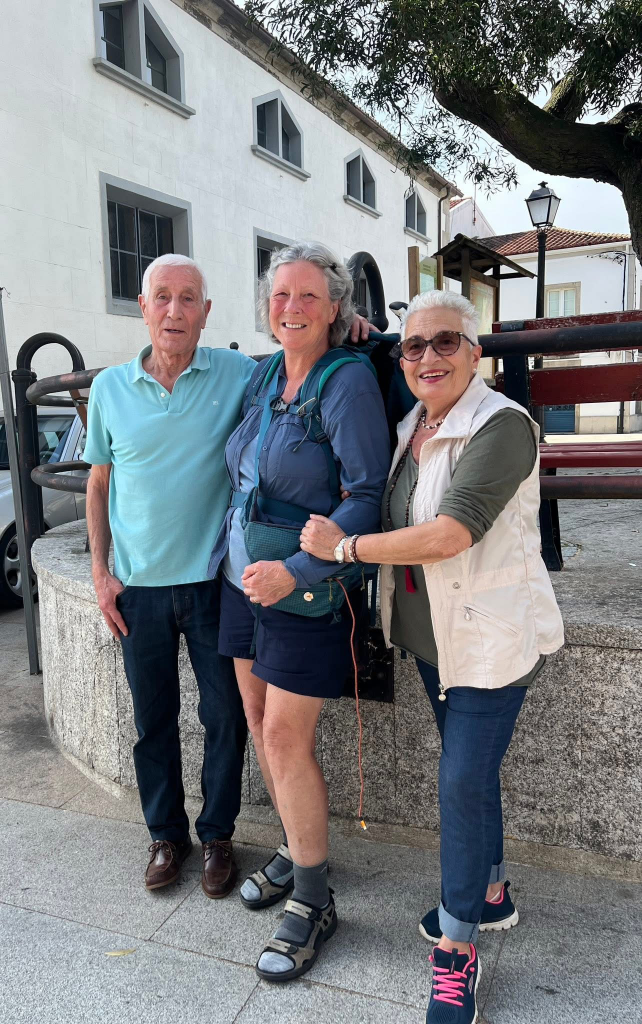
The Vancouver ladies I met early on (and a few other times)
They made it to Santiago!

October 19. O Pedrouzo

Health update: continued improvement. No news on that front 😊
In the best weather, this town is pretty unremarkable. It must have a church – it’s on the Camino. But we had light rain all day, so I didn’t do any exploring. Had two interesting pilgrim conversations- one with a Korean fellow and the other a fellow from Chicago. AND an excellent regional Galician meal.
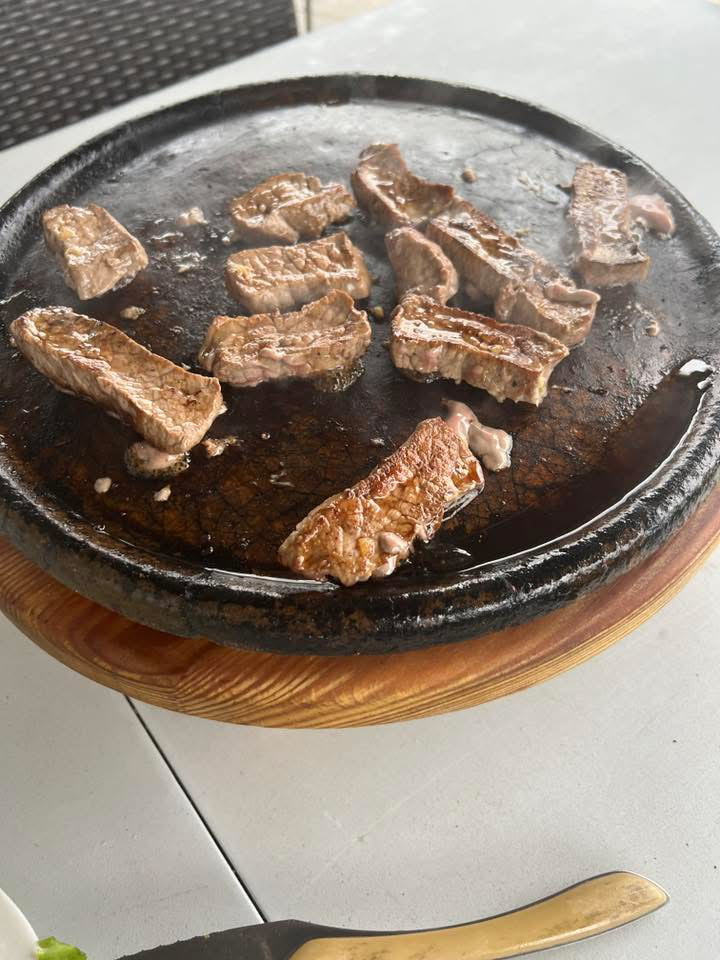
Carne a la piedra (meat on a stone). The stone (piedra) is preheated until it’s extremely hot, then brought to the table on a wooden base.
Diners are served slices of rare or raw beef, which they cook themselves right on the stone to their preferred doneness.
This method is quite popular in northern Spain, especially in Galicia, Asturias, and the Basque Country, regions known for excellent beef.
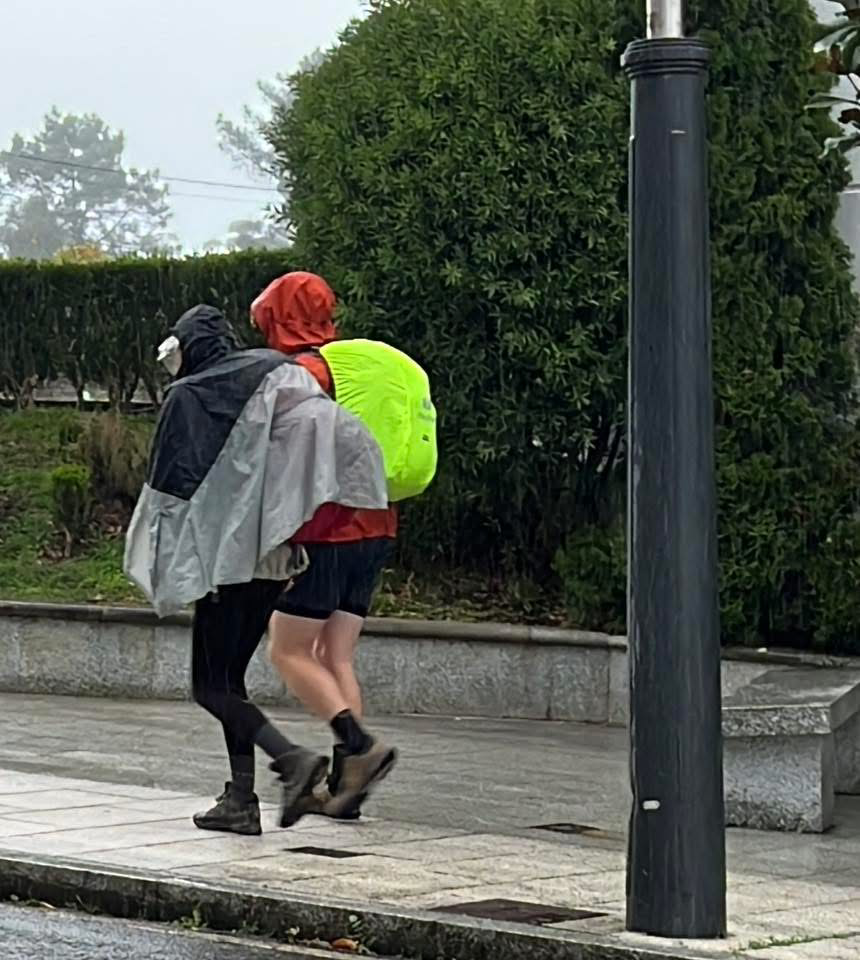
Wet pilgrims. Photo taken from my comfortably dry spot while enjoying my carne a la piedra.

October 18 Arzúa

Health update: Certainly improving. One day of antibiotics remaining and today my chest no longer sounds like a purring tiger. Coughing is better, and I keep my walking down to less than 400 meters when I sightsee around the village.
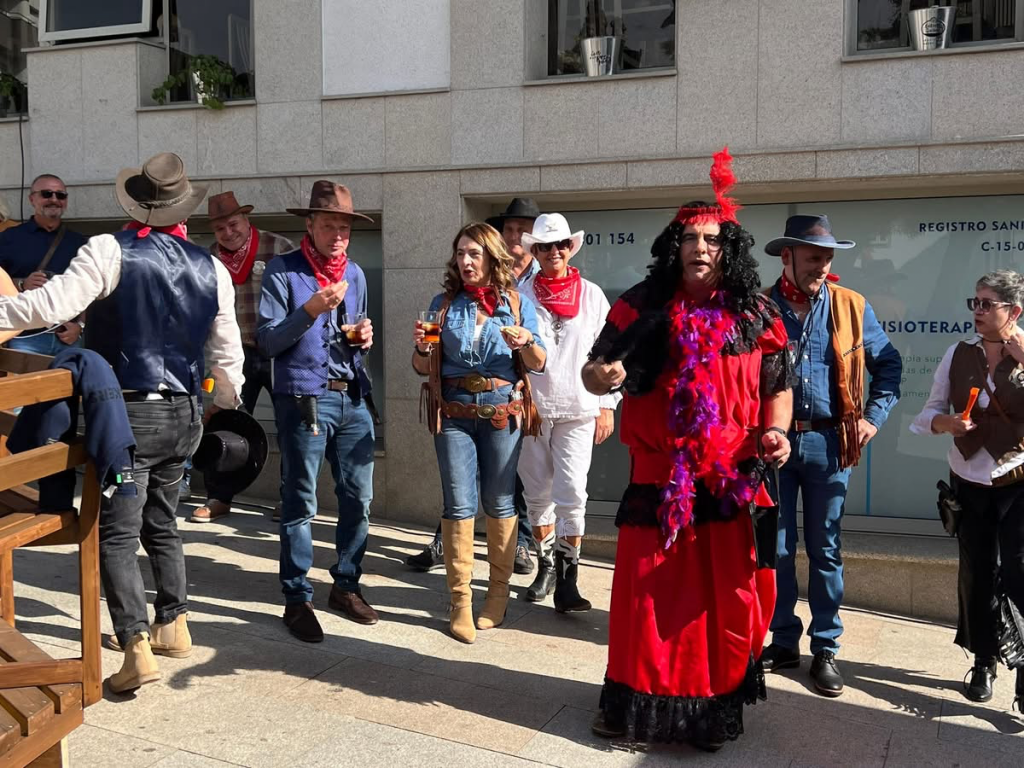
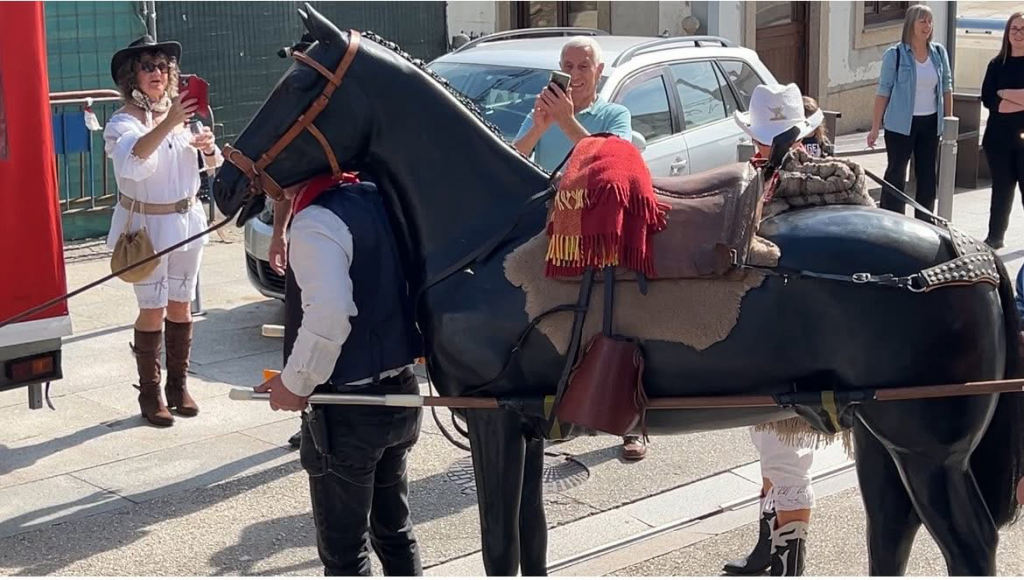
Today: A church (surprise!) and a Texas-themed street party with a live band, a life-sized plastic horse, and a big, hairy guy dressed as a saloon gal.
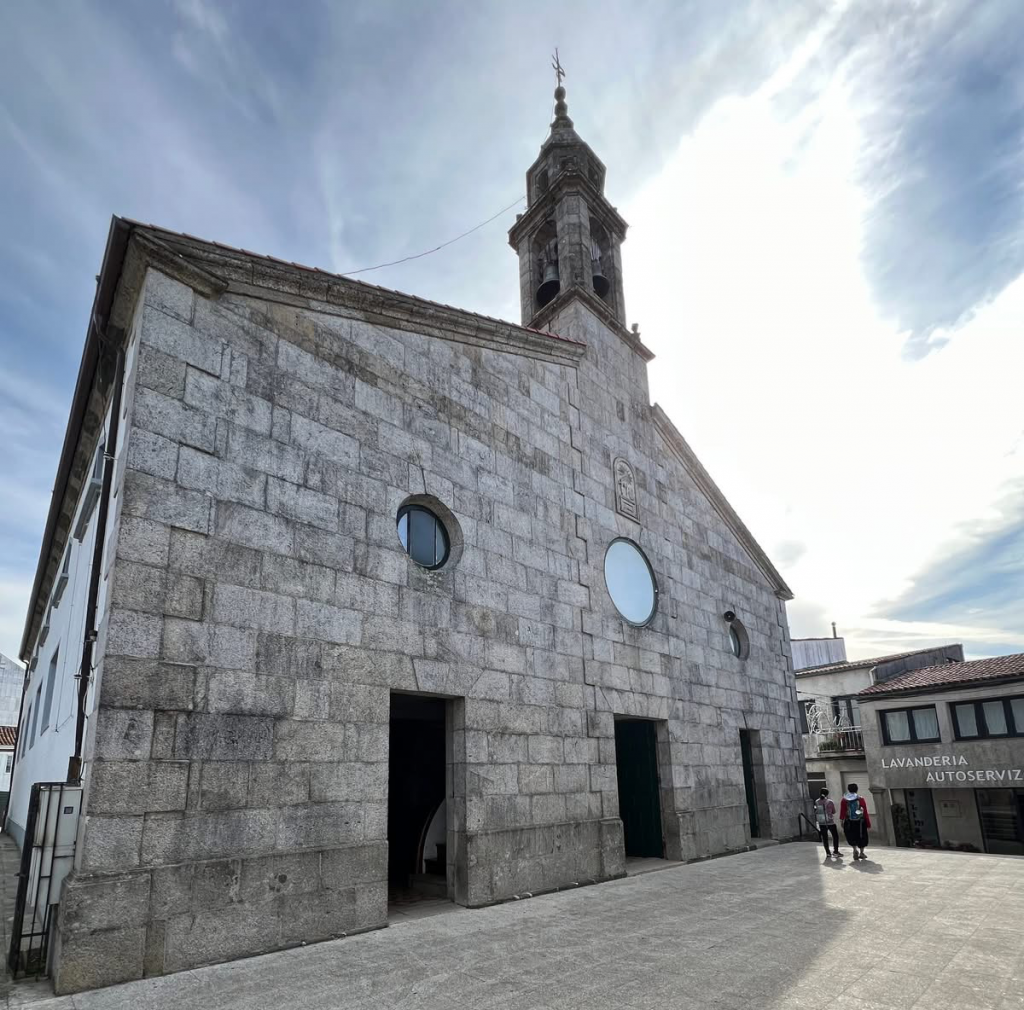
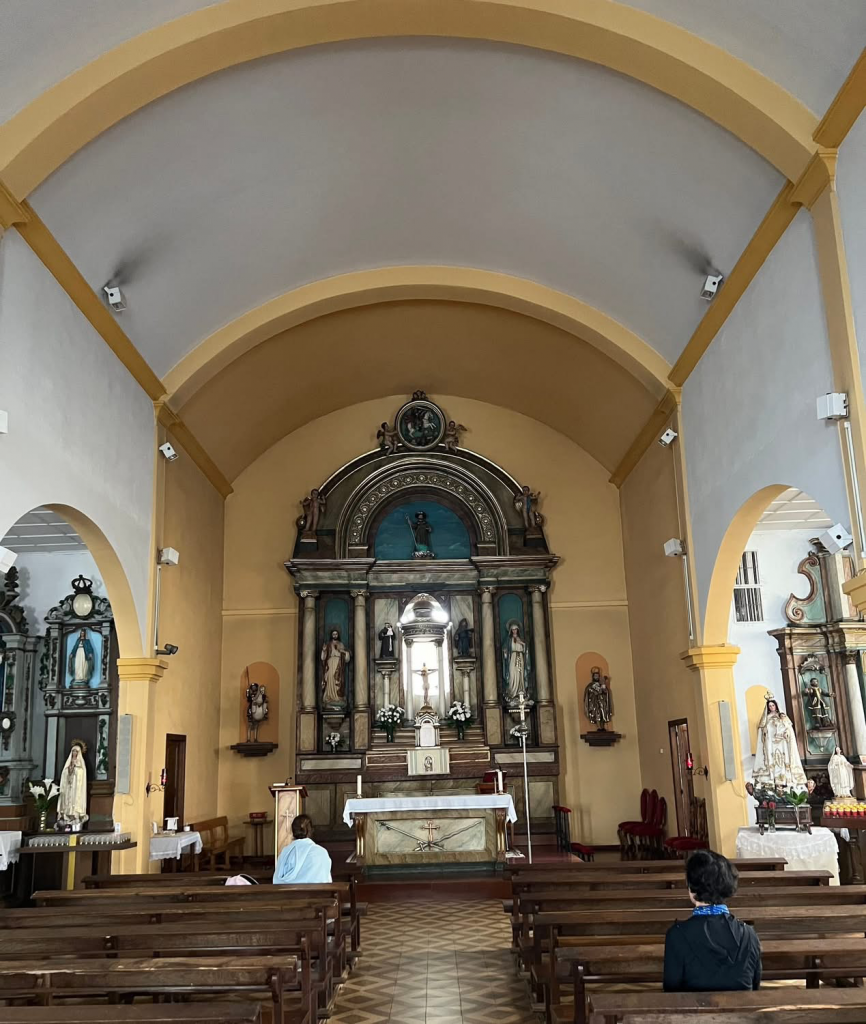
Iglesia de Santiago de Arzúa – Built between 1955 and 1958 on the site of an earlier church and is dedicated to Santiago the Greater (St. James the Apostle). It sits in the main square of Arzúa and serves as a welcoming point for pilgrims.
Iglesia de Santiago de Arzúa
The best Cotton-eyed Joe line dancers in the group!
The dance hall “girl” in red.
The horse.
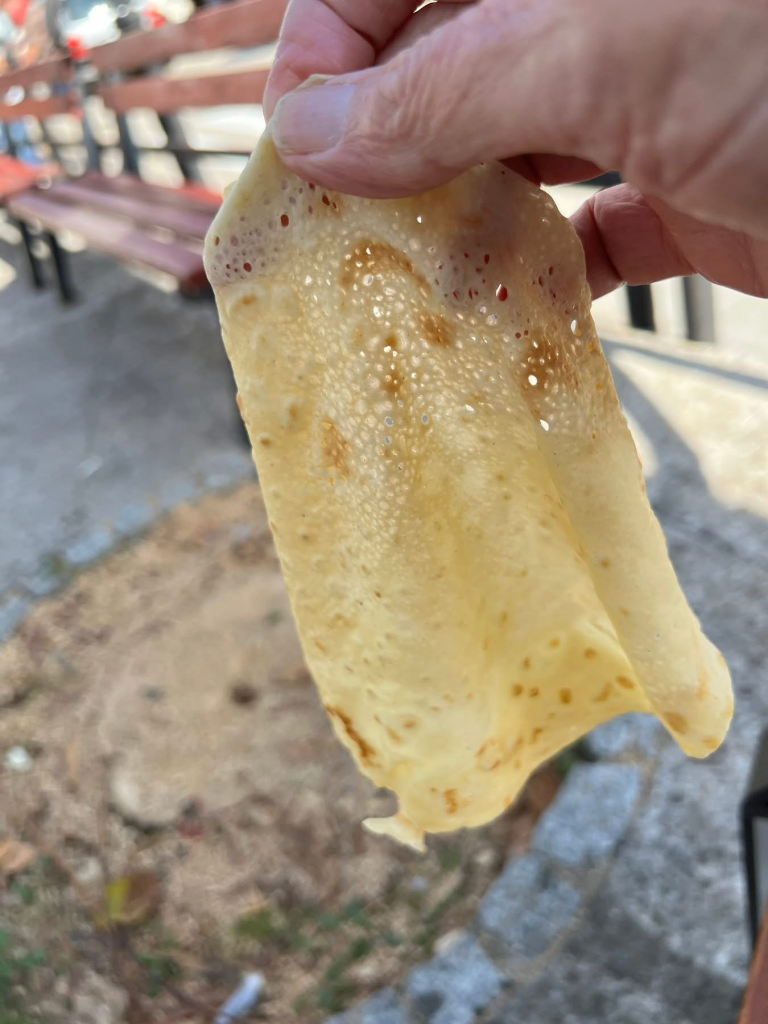
This crepe-looking goodie is a “filloas” (pronounced fee-YOH-ahs). Usually made with flour, eggs, milk (or sometimes broth, in savory versions), and a bit of fat. They’re especially popular around Carnival (Entroido) time in Galicia.
The party-goers past them around to all the pilgrims who’d stopped to enjoy the music and dancing.
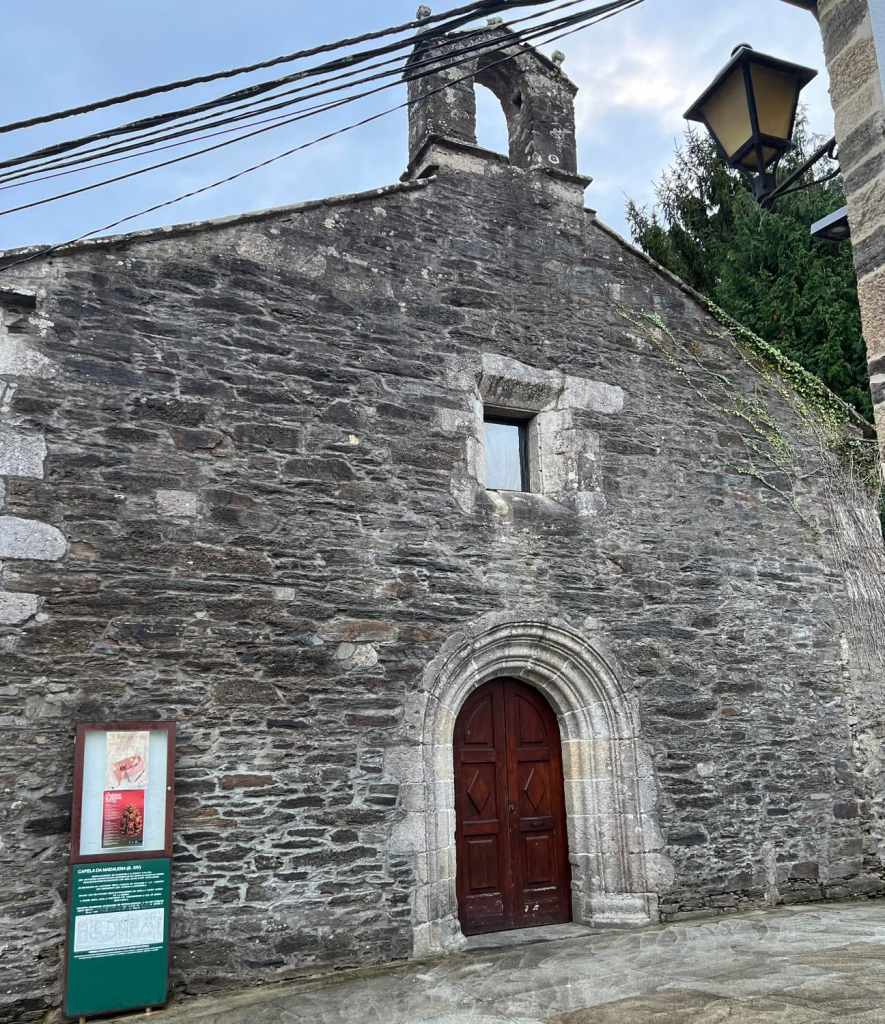
I came across an older chapel on my way to coffee this morning. It sits right on top Camino.
Capela da Madalena
The chapel originally belonged to a monastic-hospital complex founded by the Augustinian friars in the mid-14th century with the purpose of receiving and caring for pilgrims on the Camino de Santiago.

My Facebook group has a couple of videos of music and dancing, but as much as I try, I can’t get videos to upload using my phone and the lodging’s WiFi.

October 17 Hanging up my Boots. Melede, Spain

Accepting the reality of the needed recovery time for this bronchial infection, I’ve decided to stop walking. I got this on my 2019 Camino and wouldn’t stop. Came home with pneumonia. Of course, it’s easier for me to stop this time because I’ve walked this route twice- 2019 was my first Camino, and I “knew” it was my only chance. Ha!
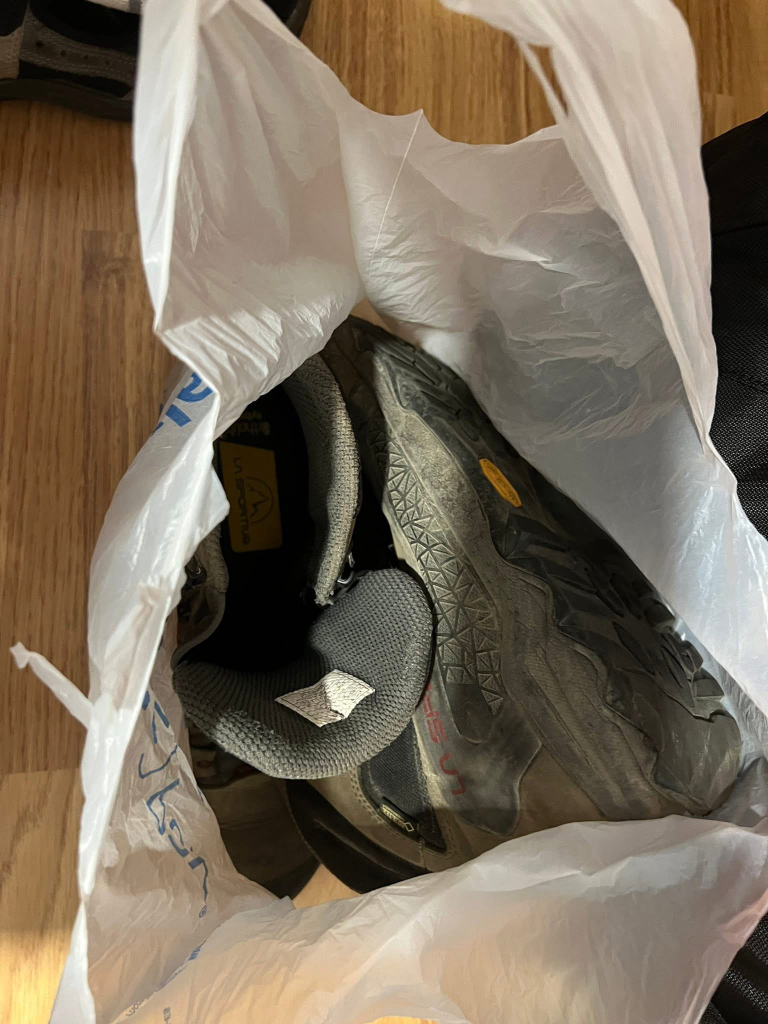
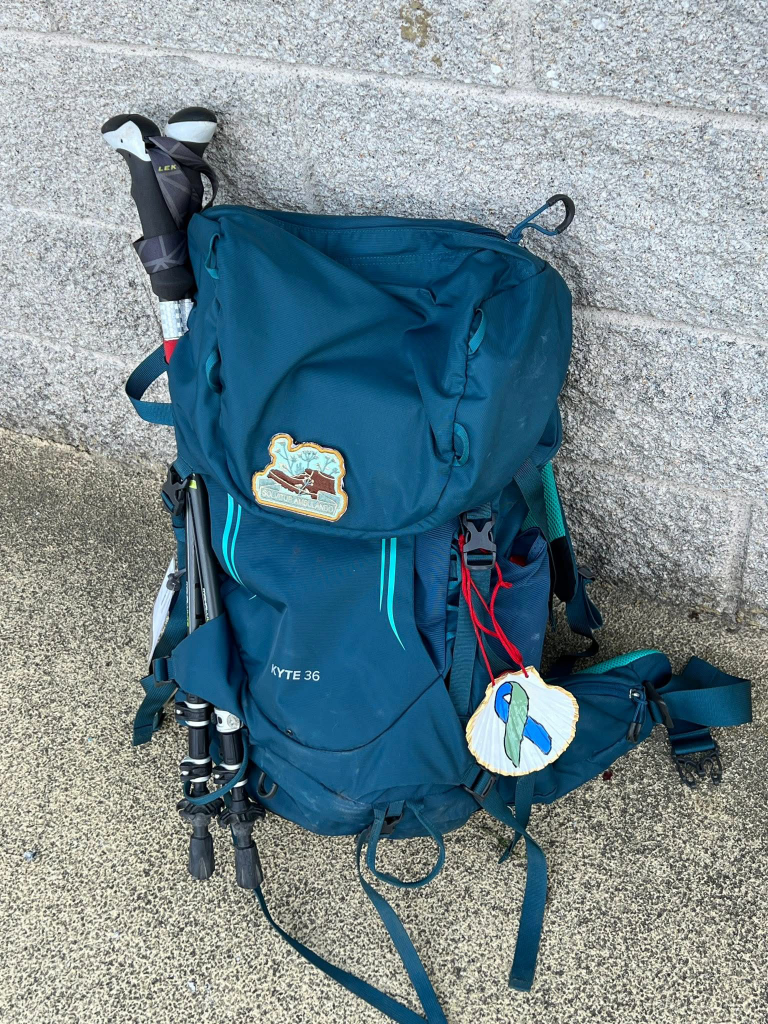
Boots in a WalMart trash bag. They had a good run. 2021 Saint-Jean to Finisterre and this year’s adventure + many miles in between.
Sticks are collapsed and tucked away.
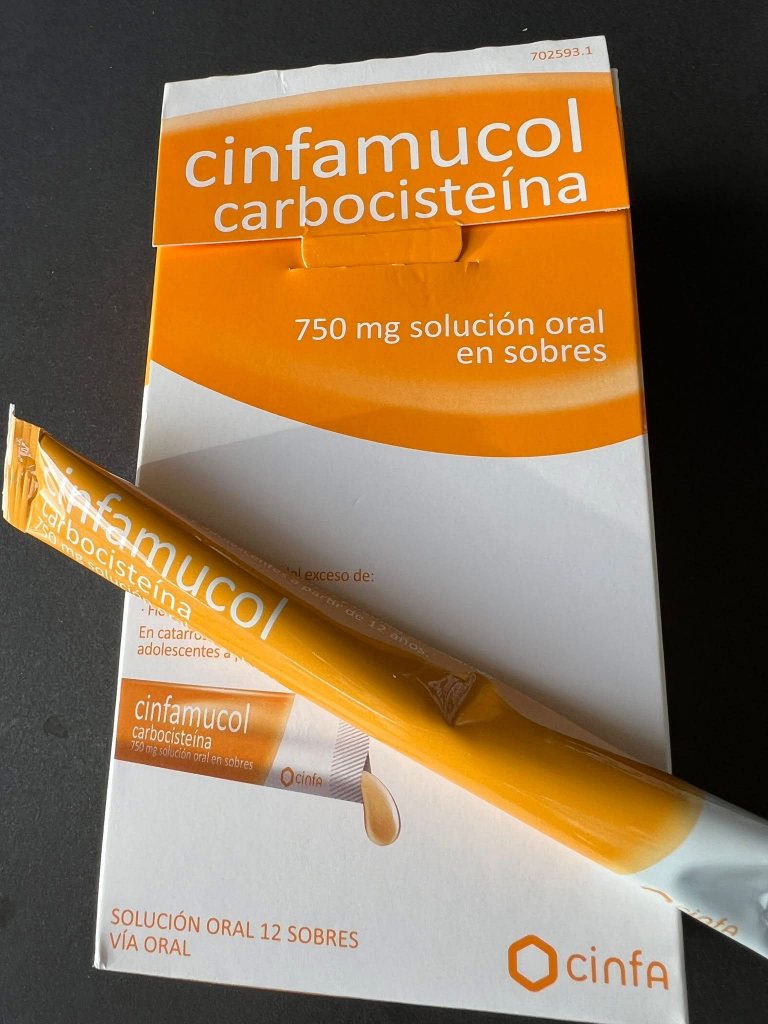
Cool Spanish cough syrup in individual packets.
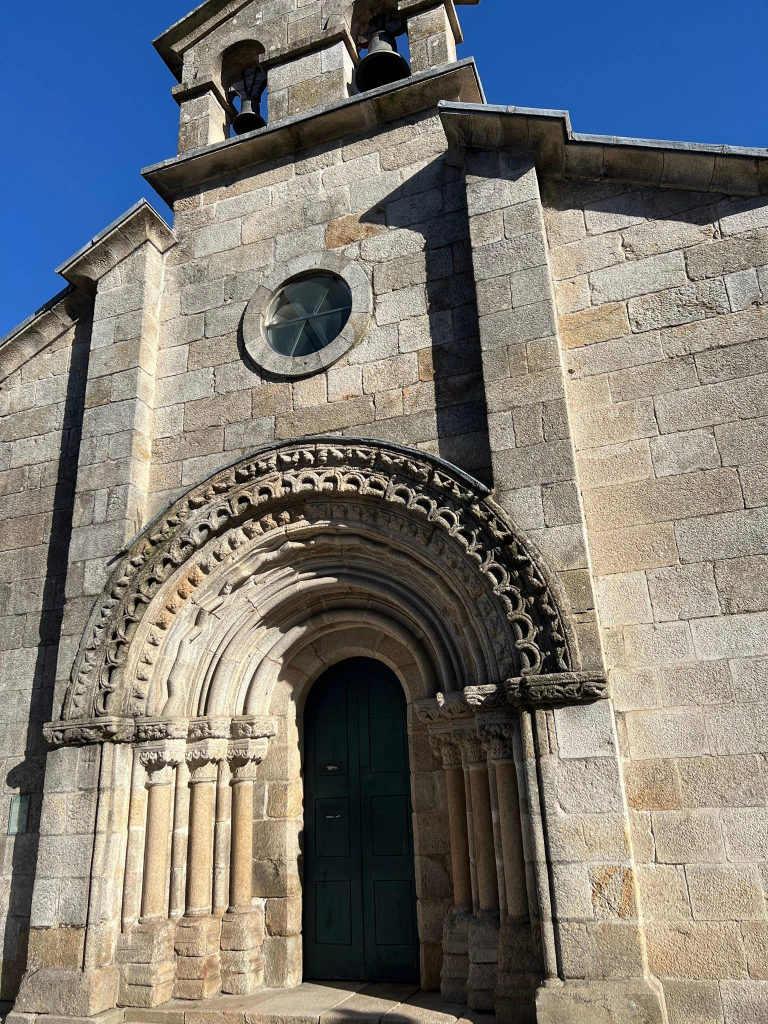
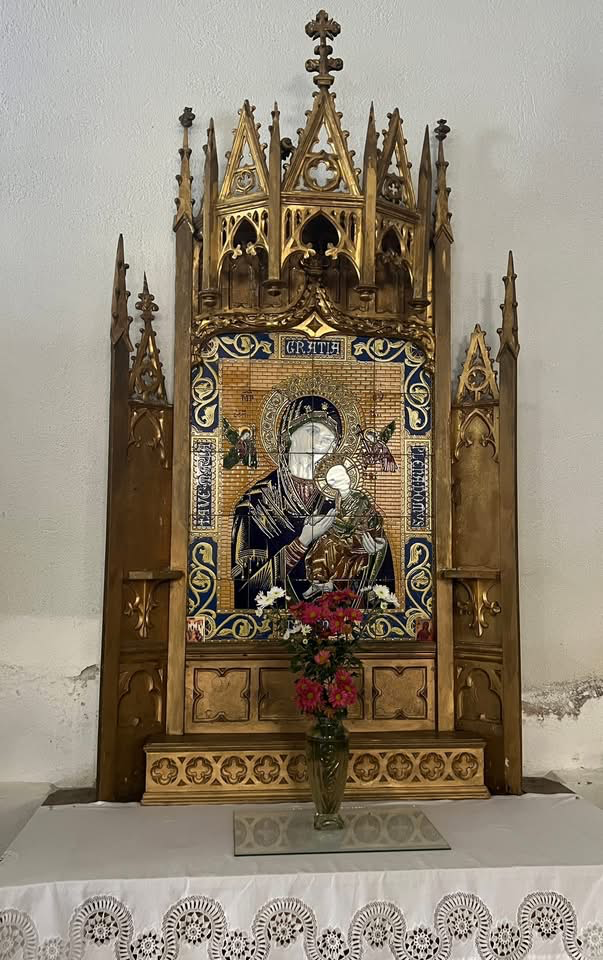
Capilla de San Roque
A chapel built in 1949, but incorporates the main portal from the older medieval churches of San Pedro & San Roque. In the town center right on the Camino. I couldn’t get back far enough for a good photo without stepping into traffic.
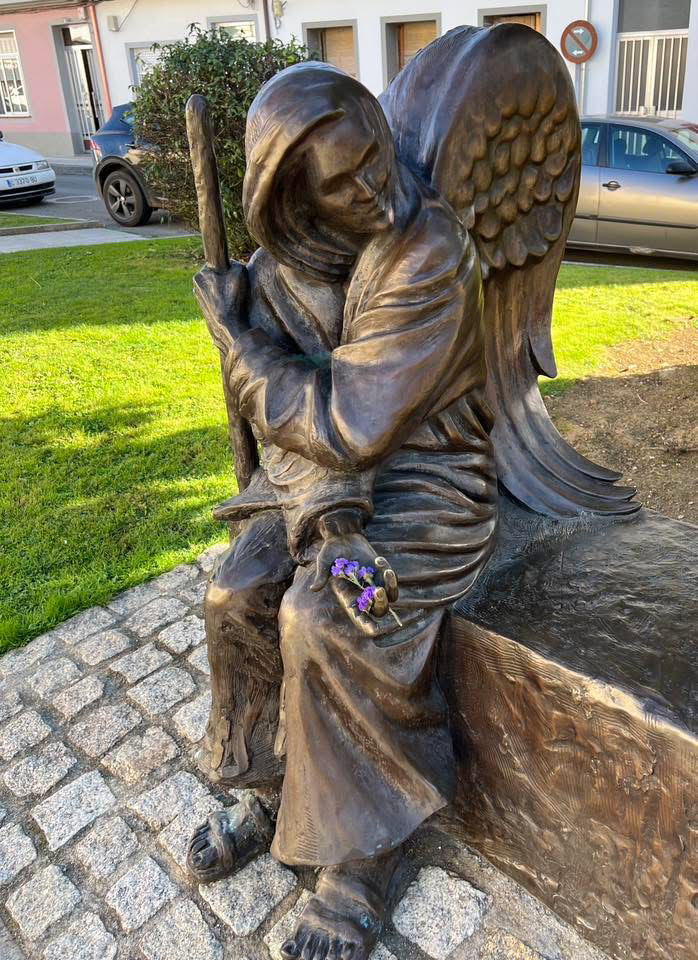
This bronze sculpture “Be Welcoming” by Canadian sculptor Timothy Schmalz, installed in 2023, is of a pilgrim who becomes an angel – a symbol urging hospitality to walkers on the Camino (Perhaps a reminder to stop if you get sick! 😉

October 16. Palas de Rei

Boring day. Lucky you! The antibiotics seem to be doing their job. Less chest burning. Sore throat nearly gone. But my chest is still rattling enough that I was able to send John a recording.

I have a nice room, but the only place close to eat is a corner bar / pizzeria. Pretty sure all frozen pizzas. No matter!
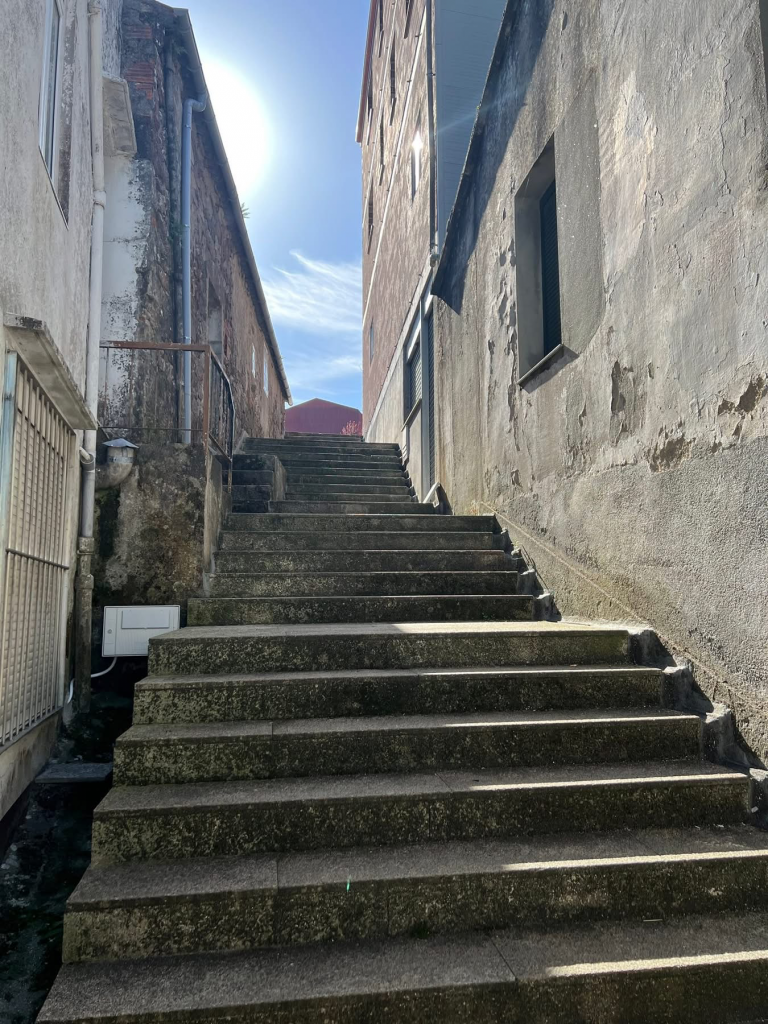
Stairs! Always the stairs!
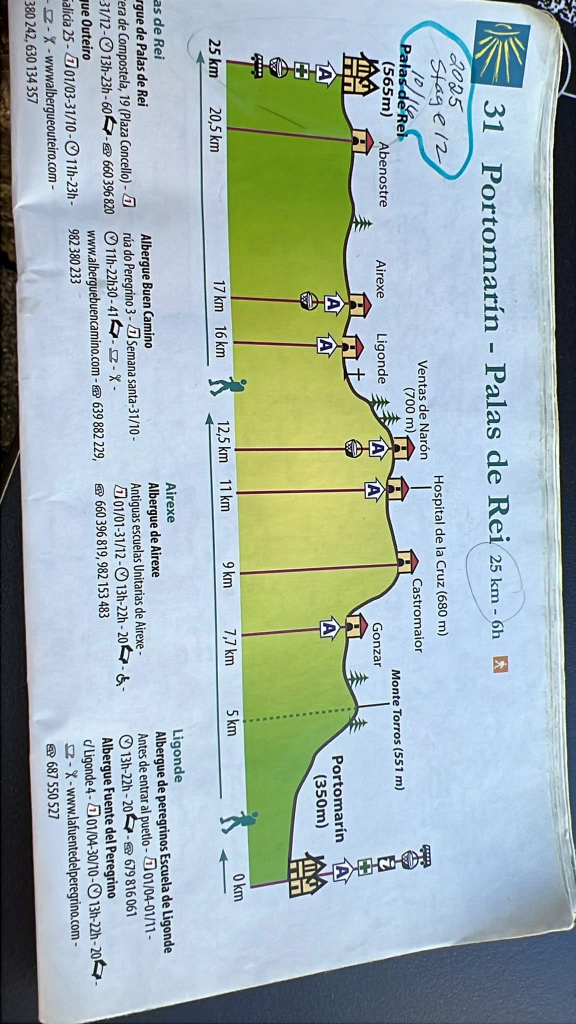
This is the stage I’d planned for today back in April. Talk about denial! Walking this 25 Km four years ago was unremarkable. If I’d walked it today, I would have started in Ligonde for a six mile walk. Every Camino has a lesson – usually one of acceptance. (Or patience with one’s self. Or others.)

October 15. Portomarin

Another beautiful day. I’ve not had any rain so far. The downside is I’m getting some kind of bronchial yuck. Started taking my Z-Pack antibiotics and we shall see. I think all that heavy mouth breathing walking through cow manure dust didn’t do me any favors. But, meanwhile, I went for a walk today!
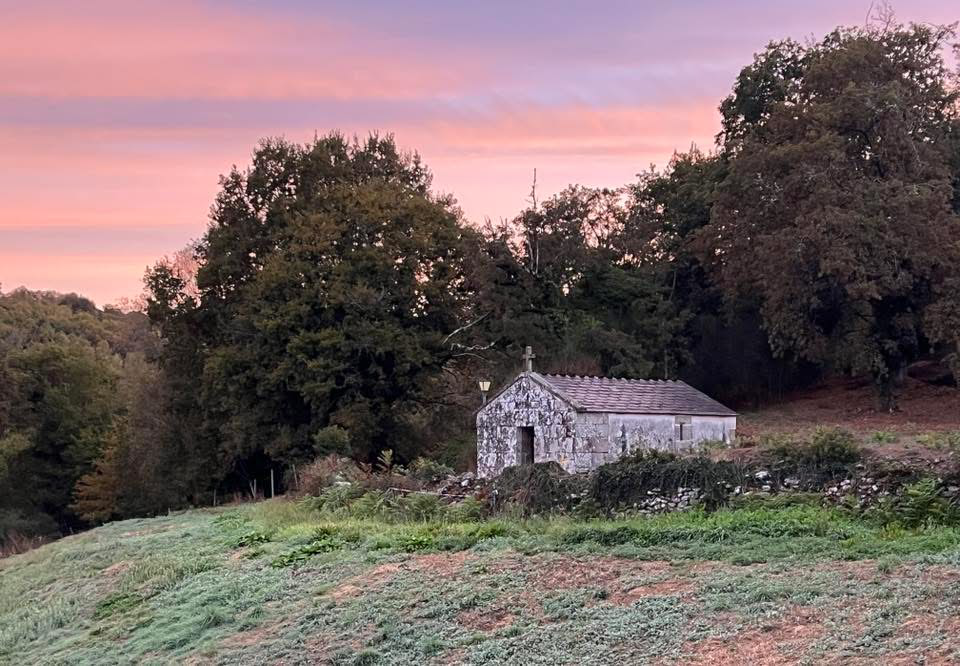
Good morning from Morgade
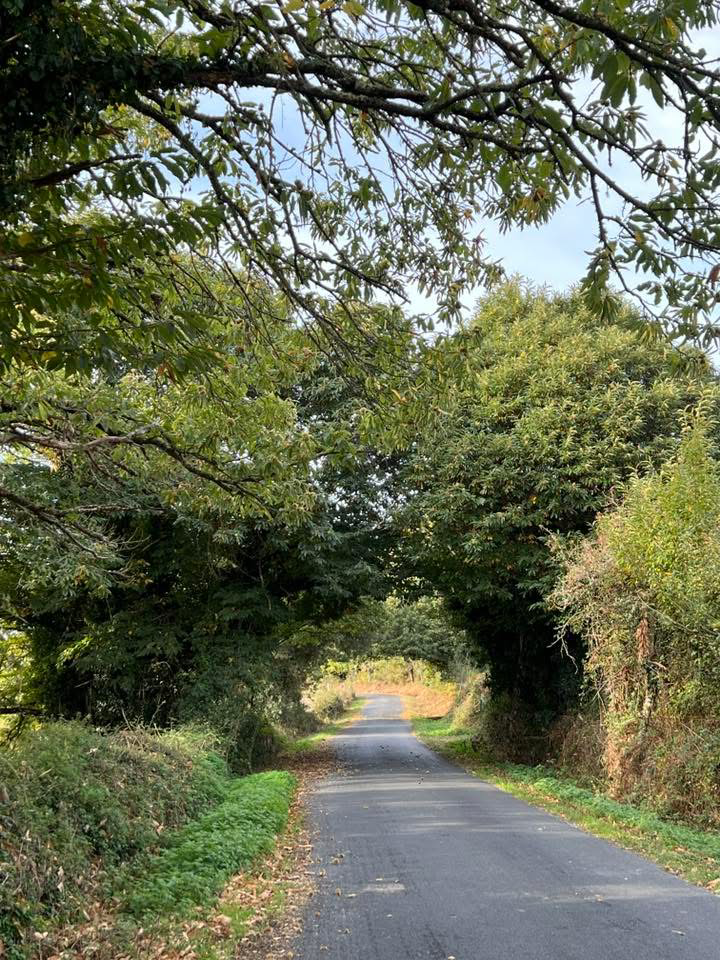
Walk walk
And walk
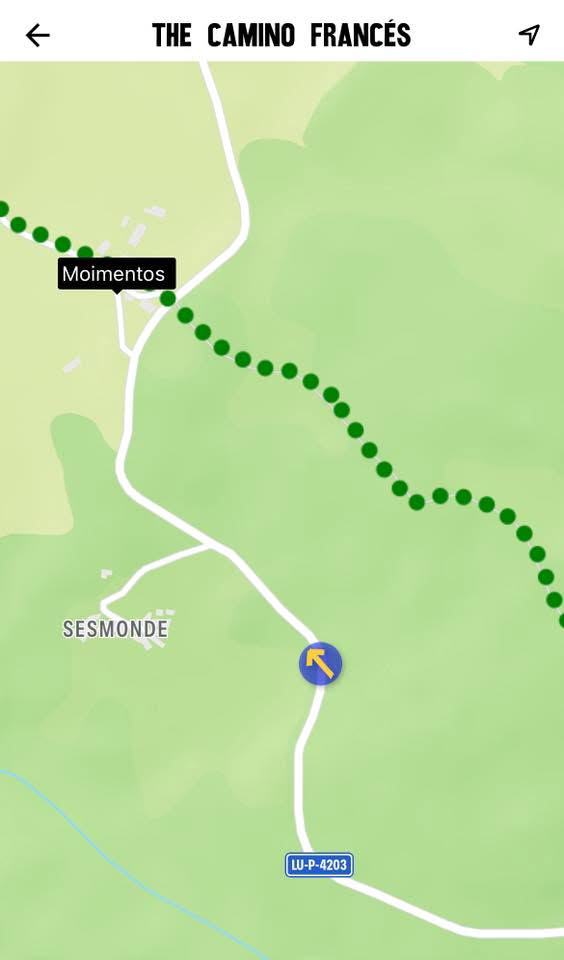
Oops. I am the arrow walking and the Camino is the green-dotted line.
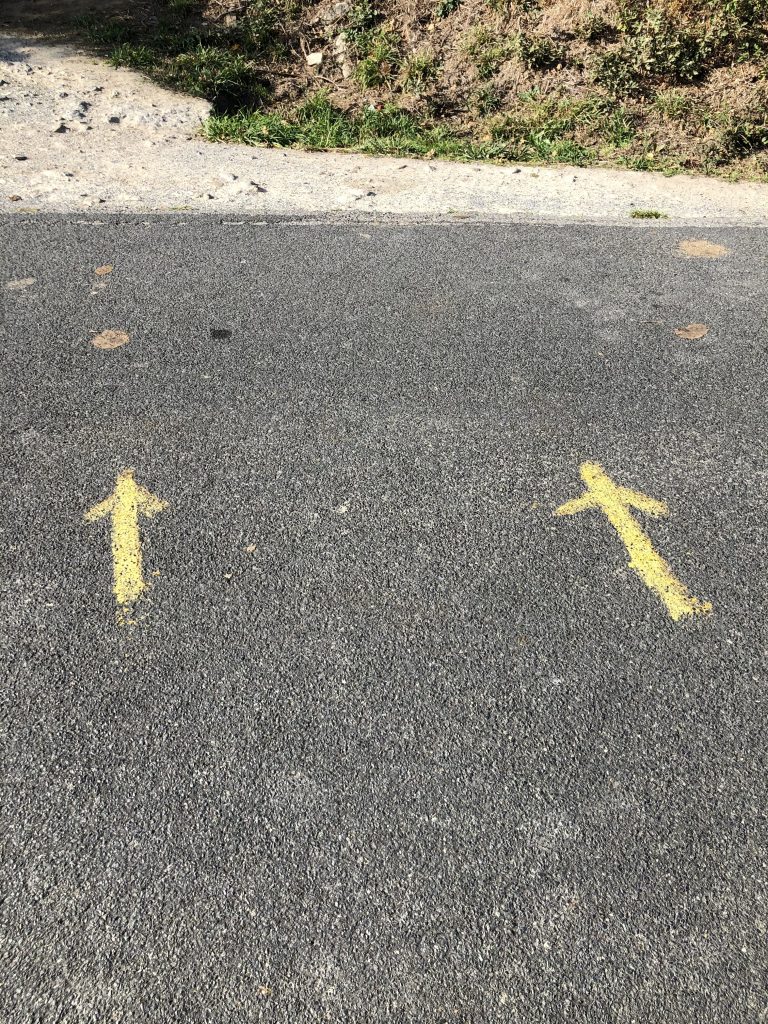
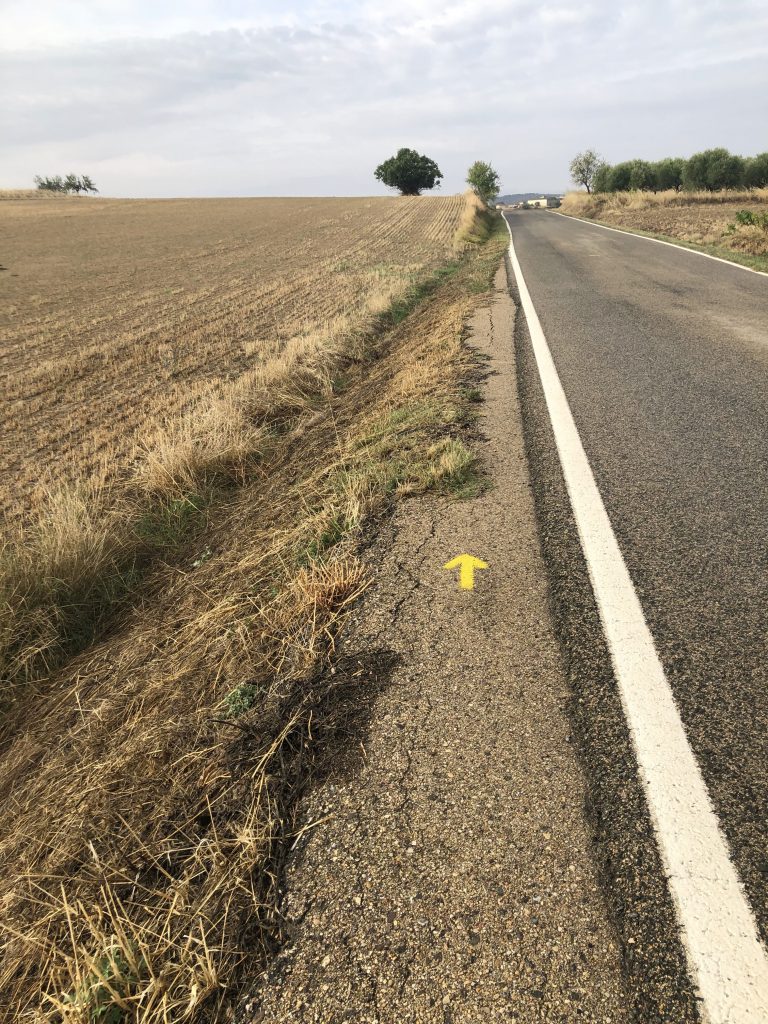
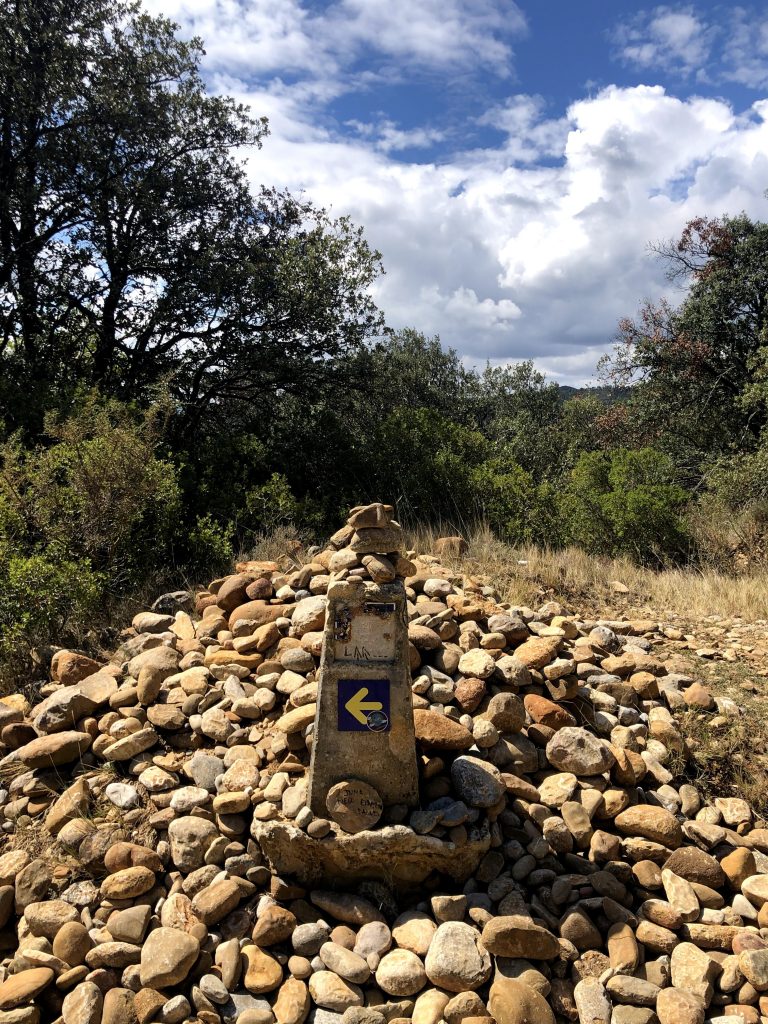
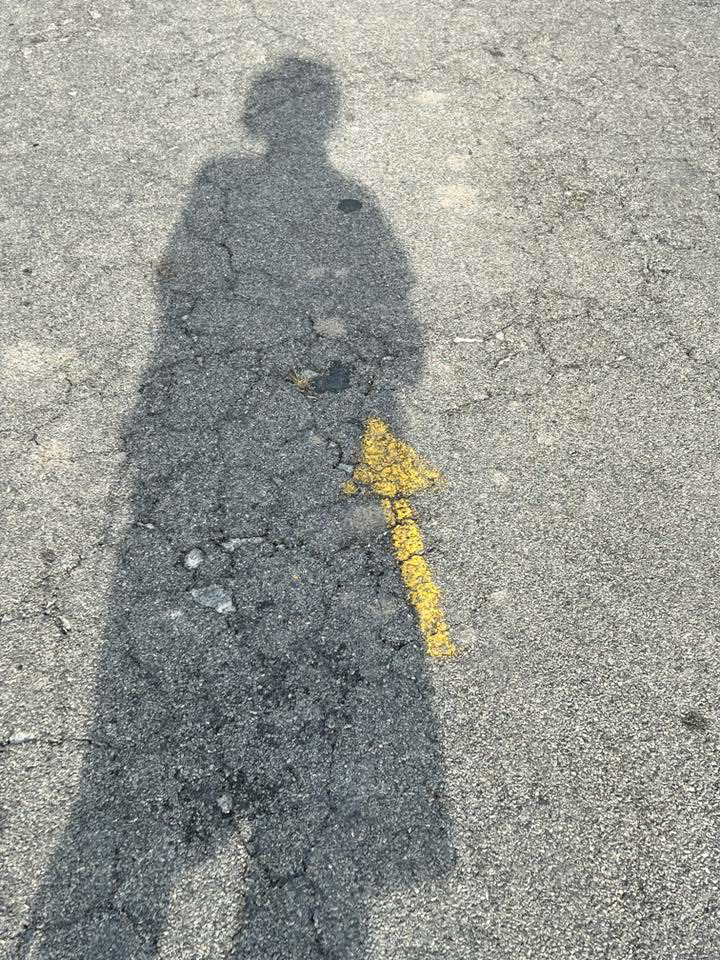
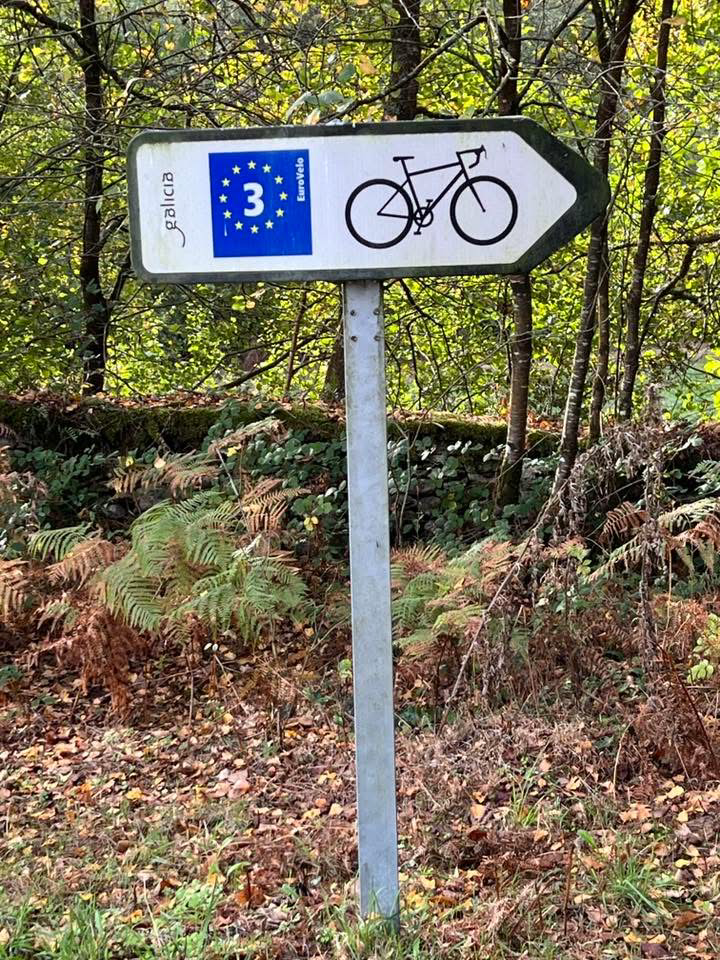
I was confused. I was seeing arrows, but no people.
Aha! I had missed my arrow and turned onto the Camino bike route. Luckily, it soon joined the walk with the people.
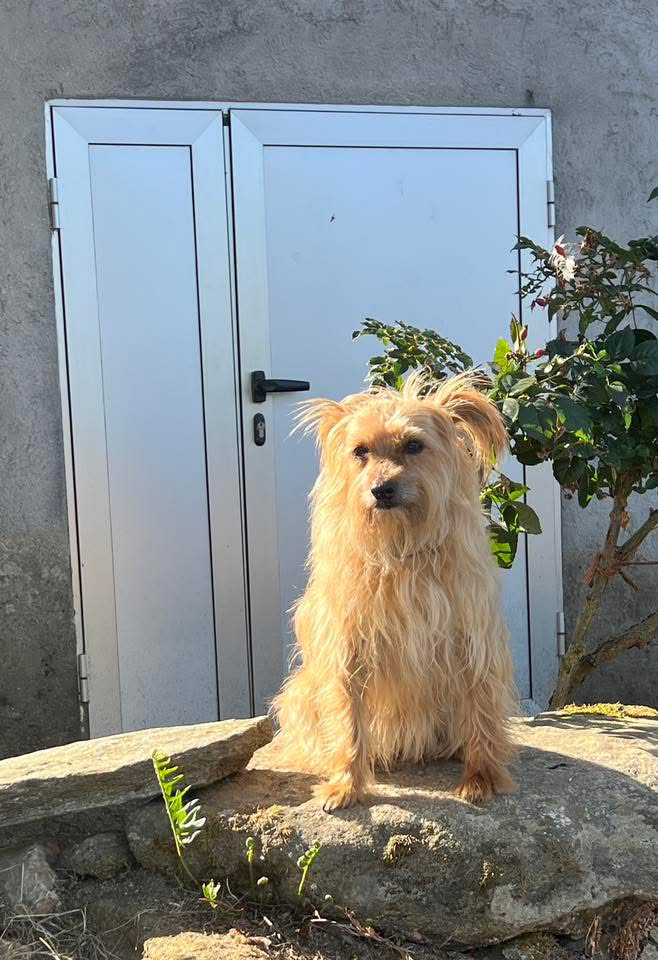
Well, hello! This little dog sits on the wall and quietly watches everyone pass by.
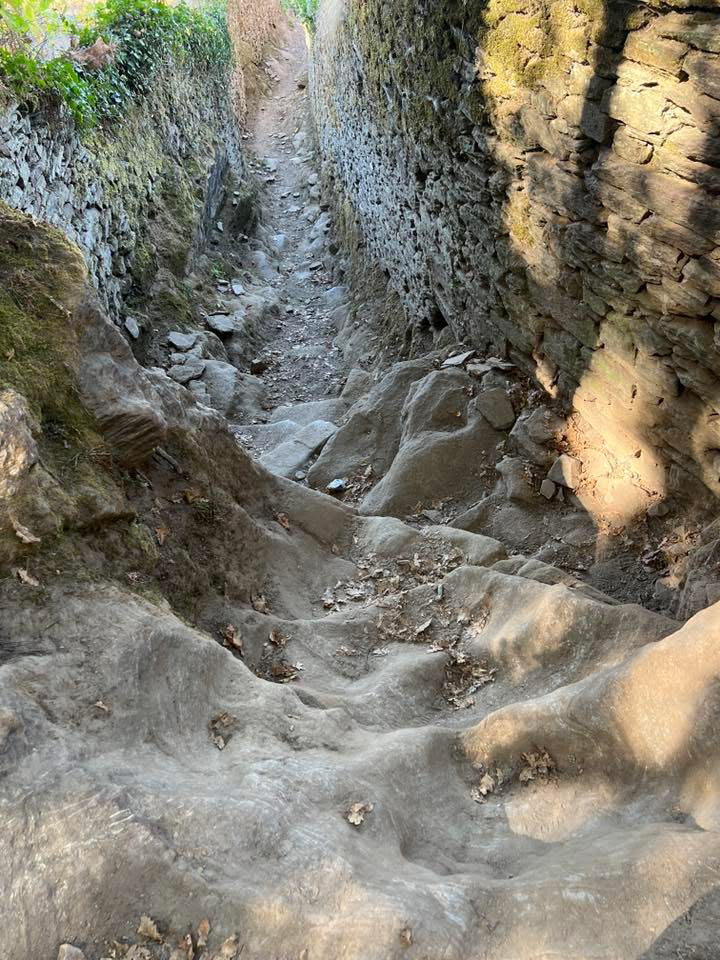
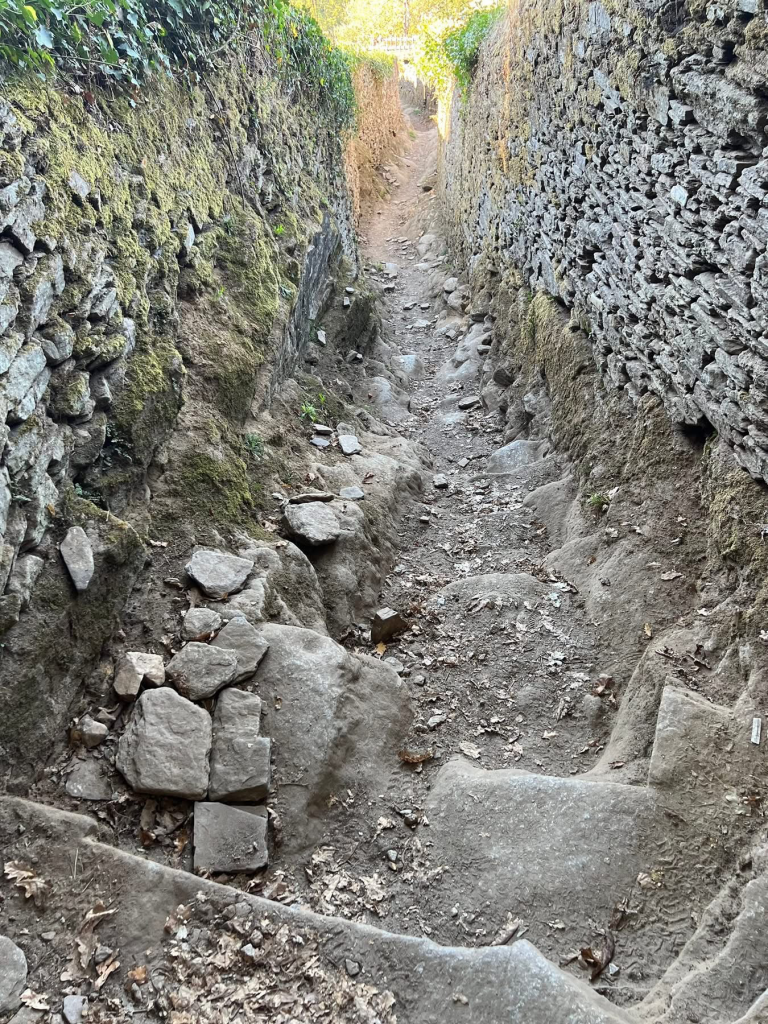
This is the route I swore not to take. But there I was. This is the historic descent used before the river was dammed to create the Miño reservoir.
I sat on my rear three different times to get down this thing.
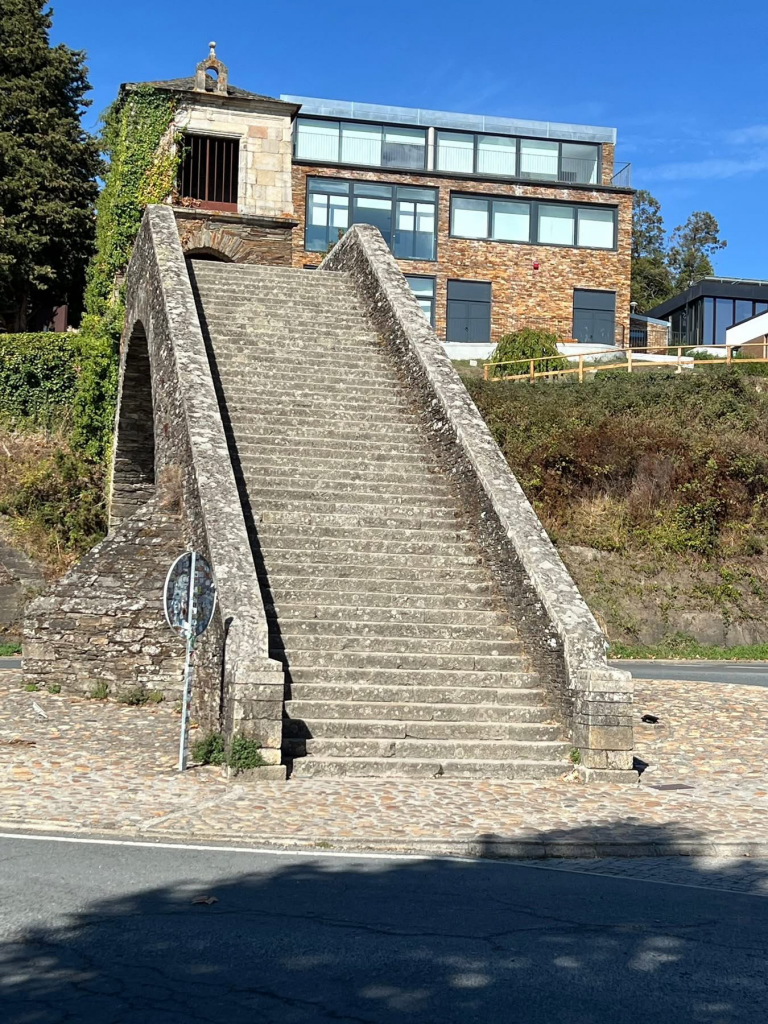
After walking across the long bridge over the river, these stairs immediately call you. I would show a picture of the bridge but I had to turn my head and watch the road to keep the tummy butterflies under control.
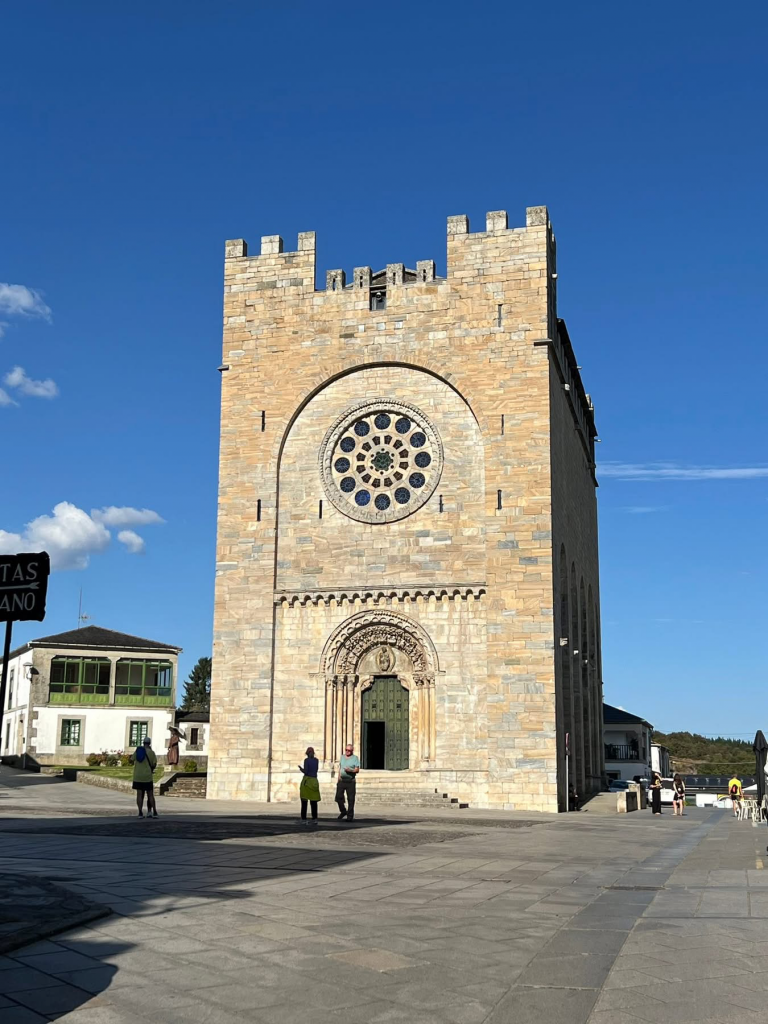
San Nicolás church was dismantled stone by stone from its original site (which was going to be flooded when the Belesar reservoir was built), numbered, moved, and then rebuilt in the new town of Portomarín.
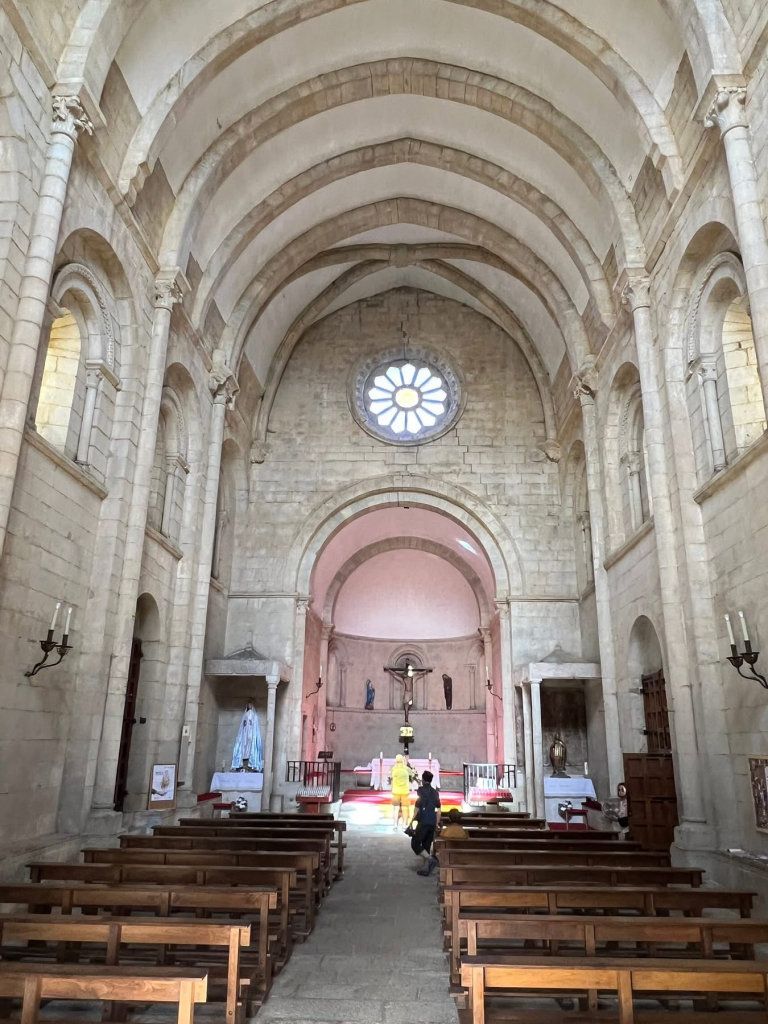
The inside of San Nicolás, also known as San Xoán de Portomarín (or San Juan / San Nicolao).
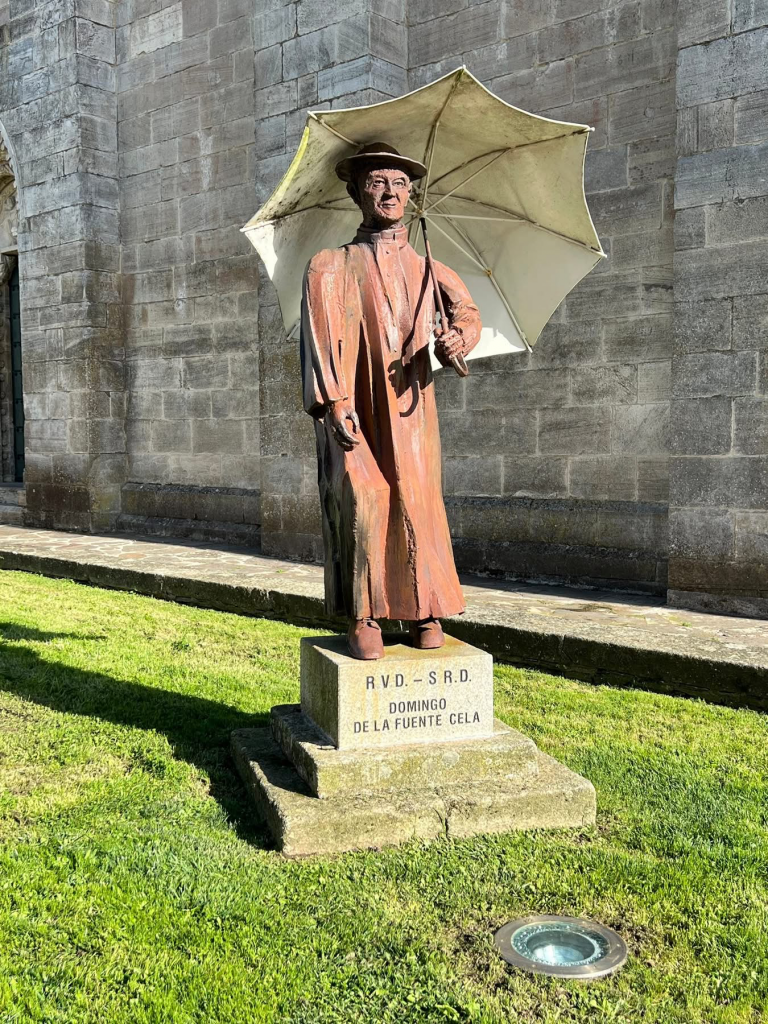
Domingo de la Fuente Cela served as the parish priest of Portomarín for more than fifty years and was a key figure during the relocation and reconstruction of the church.
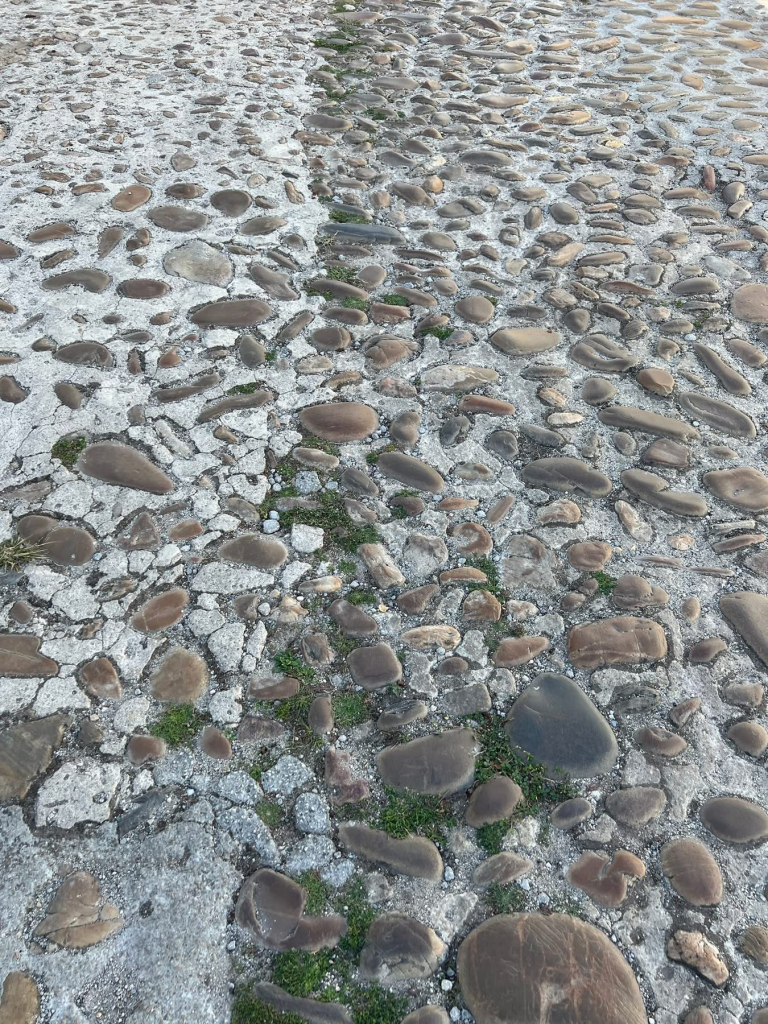
And finally, who thought this was a good surface for a street!? Ouch.